


Best Time to Study in Japan: Admission Seasons and Preparation Tips
In this article, the best time to study in Japan is explained in detail, along with differences in admission periods across institutions such as universities, vocational schools, and Japanese language schools. Understanding the most suitable timing enables effective planning of a study abroad experience and helps to avoid common pitfalls. This guide aims to help readers identify the most appropriate study period for their needs.
Best Time to Study Abroad in Japan
To effectively determine the optimal timing for studying abroad, it is important to take a comprehensive approach, considering factors such as the Japanese climate, economic fluctuations, and part-time job opportunities, rather than focusing solely on the desire to start studying.
First, consider the Japanese climate and seasons. In Japan, spring (March to May) and autumn (September to November) are generally more comfortable, helping to reduce the stress students may experience when starting life in a new country. Additionally, Japan has several major holiday periods, including Golden Week in May and New Year’s. During these holidays, most schools and companies have extended breaks, providing an excellent opportunity for students to travel throughout Japan and experience Japanese culture firsthand, which can be as valuable as studying the language.
Furthermore, for those aiming to reduce costs, traveling between fall and winter is generally more economical. In most cases, international flights from major locations in Canada, the United States, or the United Kingdom tend to be more affordable. Another factor is that December is one of the periods when demand for apartments is at its lowest, which can result in discounts on moving services and make it easier to negotiate rent, helping students reduce their initial expenses.
Seasonality also plays a significant role in part-time employment. During major Japanese holidays, the availability of part-time positions increases substantially. Greater opportunities arise at seasonal locations, such as hotels near beaches in summer, or in onsen regions and ski resorts during winter. As noted earlier in the article, “Sounding Like a Native in Japanese: Listener Responses and Filler Words,” employment in the service industry within tourist areas enables students to practice natural conversational responses and acquire practical Japanese skills that are not fully addressed within classroom instruction.
April as the Main Start for Most Japanese Educational Institutions
For students intending to enter higher education institutions, such as universities and vocational schools, the standard enrollment period is in April. This practice originates from historical factors rooted in the Japanese social system.
During the Meiji era, when the modern education system was first established, enrollment originally took place in September. However, with the national fiscal year beginning in April, school budgets were aligned accordingly, leading to a standardized start in April.
In addition, many Japanese companies adopt a system known as simultaneous recruitment of new graduates, under which students who graduate in March are hired to begin working in the following April. For this reason, an academic schedule that starts in April and concludes in March is generally the most suitable for those seeking employment in Japan, as it aligns with the job-hunting process and offers a strategic advantage.
That said, Japanese education has increasingly embraced global perspectives, and April enrollment is no longer the only option. Globally, many countries begin their academic year in September or October. As a result, the number of Japanese universities and vocational schools offering fall enrollment has increased significantly in recent years. For example, some national and well-known private universities offer fall entry programs that do not require Japanese language proficiency, allowing students to earn credits entirely in English. In addition, advanced vocational schools in fields such as IT, design, and animation have also introduced fall enrollment for international students.
Given these developments, it is important to consider the graduation schedule of each applicant’s home country and select either spring or fall enrollment based on individual circumstances.
Admission Flexibility in Japanese Language Schools
For those preparing to enter universities or vocational schools, acquiring Japanese proficiency in advance at a Japanese language school is often considered. Many Japanese language schools offer international student programs designed for those studying on a student visa, with four enrollment periods typically available in January, April, July, and October. As these programs follow a structured curriculum in which all students progress through levels together, enrollment partway through a term is generally not permitted.
A key feature of these programs is that the maximum duration of study until graduation is determined by the month of enrollment. For example, as explained in the previous article, “What Level Is JLPT N5? What Kind of Questions Are Included?”, those starting from a beginner level and aiming for well-known universities are best suited to April enrollment, which allows for a full two years of study. In contrast, students who already have some proficiency and wish to focus intensively on preparation for higher education may find the October enrollment (a 1.5-year program) to be a more suitable option.
In addition, more flexible and efficient study options are available for those who already hold a work visa, dependent visa, or working holiday visa. For example, TCJ offers a “Business & Daily Life Japanese Program,” which allows students to join classes even partway through a term, starting from the following Monday after completing a placement test and the necessary procedures in advance. This flexible structure is particularly beneficial for those who wish to improve practical communication skills, such as business Japanese and useful expressions for taxi rides as introduced in previous articles.
Recommended Timeline for Preparation
To achieve the goal of studying abroad in Japan, the ideal preparation timeline begins approximately one year prior to departure. While this may seem lengthy for those planning to live overseas for an extended period, a closer look reveals why such advance planning is beneficial.
The primary reason is that applicants must undergo a rigorous review of the Certificate of Eligibility (COE) by the Japanese Immigration Services Agency. As explained in a previous article,“Planning to Visit Japan? Everything You Need to Know About Japanese Visas,” obtaining the COE requires the most time and constitutes the most critical step in the preparation process.
Consider the following example schedule. For instance, students aiming to enroll in April should begin submitting required documents to their chosen school around June to July of the previous year, allowing the school to conduct the selection process. If accepted, students can then apply for the COE at the Immigration Services Agency between October and December. In recent years, online procedures have become more common with the introduction of the electronic COE system. This system allows students to receive notifications about the review process immediately, reducing the risk of delays associated with international mail. Additionally, the visa application at the Japanese embassy process is simplified, as students can present the COE directly from their screens.
However, there is one aspect that requires students’ extra attention regarding this convenient system: the COE has an expiration date of three months after issuance. If students do not enter Japan with the appropriate visa before this date, the COE becomes invalid. This highlights why a realistic preparation plan spanning over a year, developed in consultation with a teacher or counselor, is crucial for a successful study abroad experience.
Further Japanese Language Study Opportunities at TCJ
TCJ (Tokyo Central Japanese Language School) supports each student’s Japanese learning journey through more than 500 professional Japanese teachers and over 35 years of experience.
We offer tailored courses for higher education, such as graduate school and vocational programs, as well as a Japanese employment course, where students can learn practical skills like writing resumes to help achieve their goals. Students are also welcome to schedule an online counseling session to create a personalized study abroad plan with us.
References
GIO Club Study Abroad (2023). When is the most cost-effective time to buy an international flight ticket? [Purchase Guide].
G‑Plus Media Co., Ltd. (2019). Three reasons why December is the best month to rent an apartment in Japan.
Dip Co., Ltd. (2026). Recommended resort jobs for university students: Short-term opportunities during summer and winter breaks.
Ten Minutes Academy (2024). Why does the Japanese academic year start in April?
Horiuchi Administrative Scrivener Office (2025). Applying for a study abroad visa in Japan: An overview.

SHARE ON



- Japanese For Executives
- Japanese Manners
- Learn Japanese
- Japan Trivia
- Basic Japanese
- Japanese Culture
- Japanese Beginner
- Japanese Advanced
- Japanese Greetings
- Japanese Phrases
- Online Lesson
- JLPT
- Business & Daily Life Japanese Program
- ビジネス日本語
- Interview
- 日本語上級者
- Japanese tips
- Kanji
- Want to Learn Japanese
- Private Lesson
- Japanese for Expats
- International Student Visa Program
- Job Hunting in Japan
- Japanese Language School
- Email Phrases
- Business Japanese
- Keigo

4 Must-Have Apps for Everyday Life in Japan
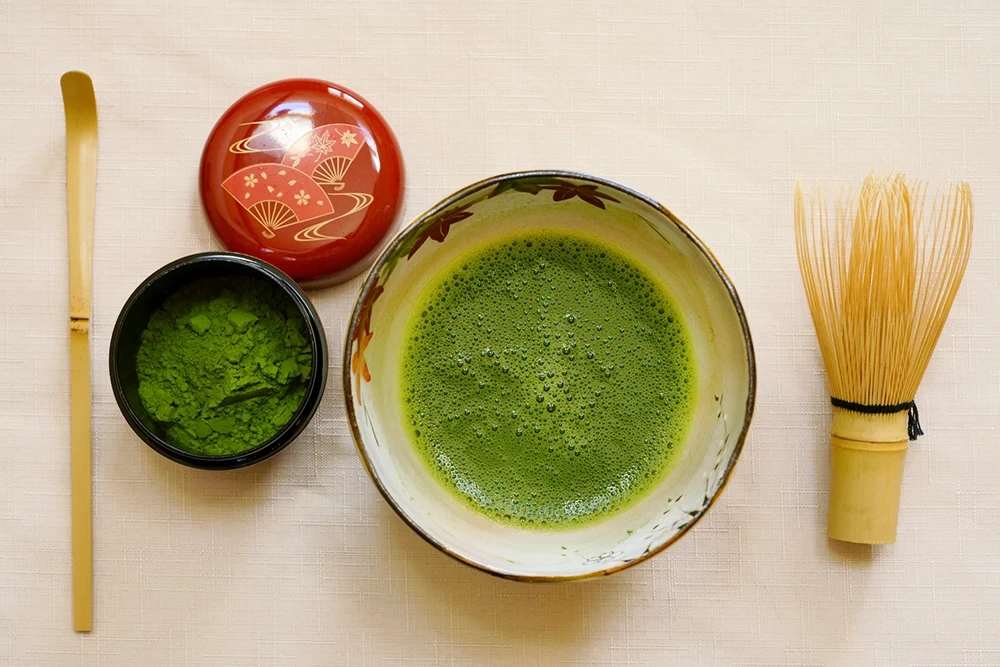
Japan’s Iconic 抹茶(Matcha): Uncovering Myths and Reality