

TCJ Blog
- Japanese tips
- Kanji
- Want to Learn Japanese
- Private Lesson
- Japanese for Expats
- International Student Visa Program
- Job Hunting in Japan
- Japanese Language School
- Email Phrases
- Business Japanese
- Keigo
- Japanese For Executives
- Japanese Manners
- Learn Japanese
- Japan Trivia
- Basic Japanese
- Japanese Culture
- Japanese Beginner
- Japanese Advanced
- Japanese Greetings
- Japanese Phrases
- Online Lesson
- JLPT
- Business & Daily Life Japanese Program
- ビジネス日本語
- Interview
- 日本語上級者

Workplace-Appropriate Attire in Japan: Understanding TPO and Business Casual Dress Codes
Each Japanese corporation has its own guidelines regarding workplace attire, depending on the nature of the job and the company culture. Some companies require employees to wear suits, while others allow relatively casual clothing. However, this flexibility does not mean that “you can wear whatever you want.” In Japanese business settings, attire is not simply a matter of fashion—it is recognized as a part of business etiquette. This article provides an easy-to-understand explanation of the basics of workplace attire in Japan, the meanings of the commonly heard terms “TPO” and “office casual”.
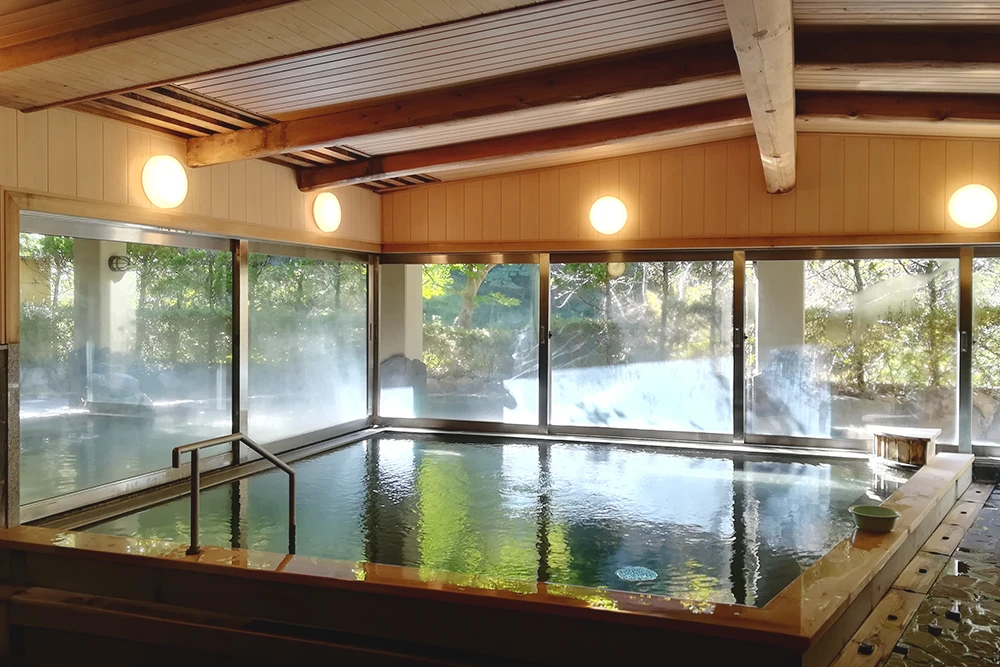
Experiencing Japanese Onsen: History, Etiquette, and the Spirit of Open and Honest Connection
Japanese 温泉:onsen, or hot springs, are among the experiences many international students and visitors look forward to when coming to Japan. The distinctive scent of sulfur rising through the steam and the soothing sensation of warm water relaxing the entire body make onsen a special part of Japan’s landscape and culture. This article explains how to enjoy onsen in Japan, along with the unique cultural values and traditions associated with them, in an easy-to-understand way. As you read, imagine yourself enjoying a relaxing soak and experiencing one of Japan’s most cherished traditions.

Business Card Etiquette in Japan: How to Make a Strong First Impression
Exchanging 名刺: meishi, or business cards, is often the first step when meeting someone in a business setting. In some countries, it may simply be part of a self-introduction; however, in Japan, its meaning is slightly different. Business card exchange is not just a formal gesture, but an important first step in building a strong professional relationship. In this article, I draw on my experience teaching foreign employees working in Japan to provide a clear explanation of business card exchange—a practice that can often be confusing in professional settings. I will cover its cultural background, specific manners, and how it differs from practices in other countries.

Unique Features of Japanese Gestures: Similarities and Differences Across Cultures
For those considering studying in Japan, attending a language school, or seeking employment in the country, understanding Japan’s unique gestures is essential—not just the language itself. During time spent in Japan, it becomes apparent that these gestures reflect distinctive cultural norms. Hand and body movements can vary significantly depending on language and cultural background. This article explores commonly used gestures among Japanese speakers and highlights how they differ across cultures. We hope this article will support your daily life in Japan.

Sounding Like a Native in Japanese: Listener Responses and Filler Words
Do you wish to sound more like a native Japanese speaker? In this article, we introduce listener responses and filler words—key elements of everyday conversation that most grammar textbooks do not cover. Once you get the hang of them, your Japanese will sound more natural and your meaning will come across more smoothly.