

TCJ Blog
- Japanese For Executives
- Japanese Manners
- Learn Japanese
- Japan Trivia
- Basic Japanese
- Japanese Culture
- Japanese Beginner
- Japanese Advanced
- Japanese Greetings
- Japanese Phrases
- Online Lesson
- JLPT
- Business & Daily Life Japanese Program
- ビジネス日本語
- Interview
- 日本語上級者
- Japanese tips
- Kanji
- Want to Learn Japanese
- Private Lesson
- Japanese for Expats
- International Student Visa Program
- Job Hunting in Japan
- Japanese Language School
- Email Phrases
- Business Japanese
- Keigo

4 Must-Have Apps for Everyday Life in Japan
This article introduces four essential apps that will help you live comfortably in Japan. Whether you’re looking for useful information, navigating public transportation, or learning about Japanese rules and customs, these apps can make your everyday life easier and more stress-free. Read on to discover the apps that can help you get the most out of life in Japan!
Japan’s Iconic 抹茶(Matcha): Uncovering Myths and Reality
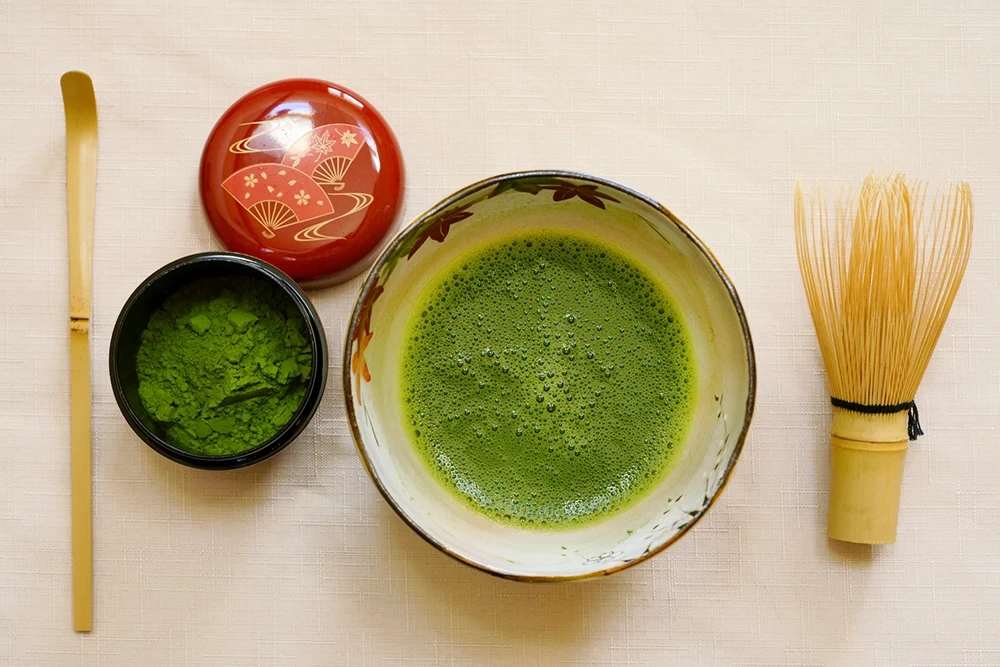
In recent years, matcha has become hugely popular around the world. It’s no longer unusual to see vibrant green matcha desserts in cafes and supermarkets in various countries. The image of matcha as a “stylish, healthy drink from Japan” has spread worldwide. Amid this trend, the perception has taken hold that “Japanese people must drink matcha every day.” But what is the reality? To give you the answer right away—the truth is that “not many Japanese people drink matcha every day.” Here, we’ll explore the reasons behind this, the true relationship between matcha and the Japanese people, and the depth of Japan’s tea culture.

“すみません: Sumimasen”: A Common Japanese Expression for Apologies, Thanks, and More
Isn’t “sumimasen” one of the words Japanese people use most often in everyday conversation? We say “sumimasen” when calling a store clerk, when someone gives us directions, and when we bump into someone. Even though it’s just one word, its meaning varies depending on the situation, so many Japanese language learners wonder, “Why do we say ‘sumimasen’ instead of ‘arigatō’?” In this article, we’ll explain in detail the three main uses of “sumimasen”—“apology,” “thanks,” and “calling out to someone”—using example sentences.

Popular Lessons and Hobbies in Japan: From Children to Adults
In Japan, people of all ages enjoy taking lessons and pursuing hobbies. These activities offer many benefits, such as gaining new knowledge and skills, maintaining good health, and expanding social connections. Some skills learned through lessons may even develop into lifelong hobbies. Recently, online classes have become increasingly popular, making it possible to explore various fields from the comfort of home. This article introduces popular lessons and hobbies in Japan, focusing separately on those enjoyed by children and adults.

Japanese Trains: Punctuality, Delays, and Real-Time Updates
Japanese trains are known around the world for their punctuality. This article explores the reasons behind that reputation, while also introducing useful tools for checking delays and train locations in real time. Understanding how these systems work can make commuting and everyday travel in Japan much smoother.