

TCJ Blog
- Japanese For Executives
- Japanese Manners
- Learn Japanese
- Japan Trivia
- Basic Japanese
- Japanese Culture
- Japanese Beginner
- Japanese Advanced
- Japanese Greetings
- Japanese Phrases
- Online Lesson
- JLPT
- Business & Daily Life Japanese Program
- ビジネス日本語
- Interview
- 日本語上級者
- Japanese tips
- Kanji
- Want to Learn Japanese
- Private Lesson
- Japanese for Expats
- International Student Visa Program
- Job Hunting in Japan
- Japanese Language School
- Email Phrases
- Business Japanese
- Keigo

Workplace-Appropriate Attire in Japan: Understanding TPO and Business Casual Dress Codes
Each Japanese corporation has its own guidelines regarding workplace attire, depending on the nature of the job and the company culture. Some companies require employees to wear suits, while others allow relatively casual clothing. However, this flexibility does not mean that “you can wear whatever you want.” In Japanese business settings, attire is not simply a matter of fashion—it is recognized as a part of business etiquette. This article provides an easy-to-understand explanation of the basics of workplace attire in Japan, the meanings of the commonly heard terms “TPO” and “office casual”.
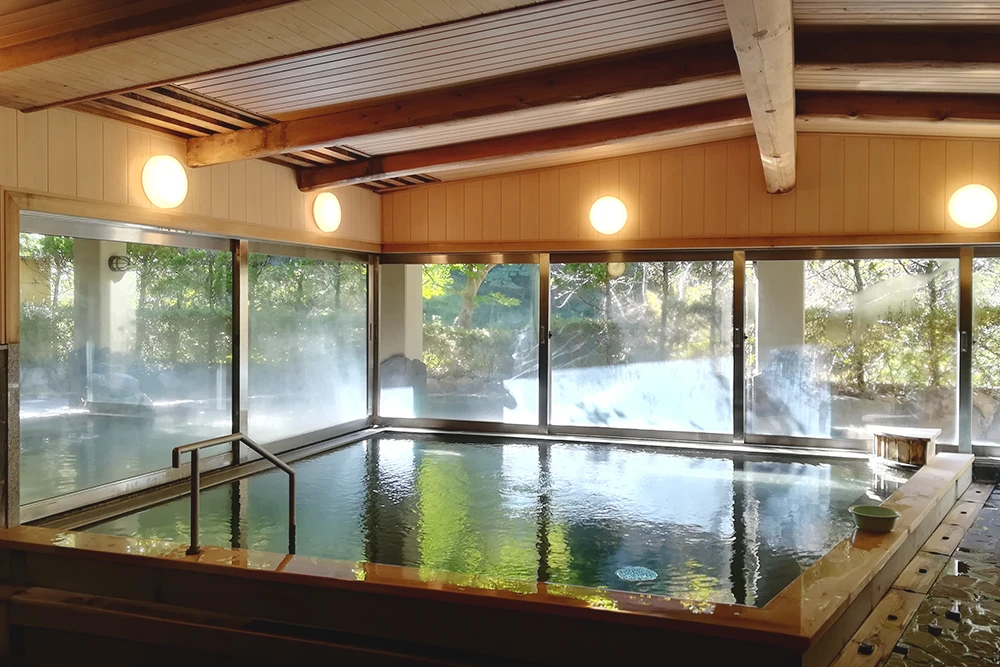
Experiencing Japanese Onsen: History, Etiquette, and the Spirit of Open and Honest Connection
Japanese 温泉:onsen, or hot springs, are among the experiences many international students and visitors look forward to when coming to Japan. The distinctive scent of sulfur rising through the steam and the soothing sensation of warm water relaxing the entire body make onsen a special part of Japan’s landscape and culture. This article explains how to enjoy onsen in Japan, along with the unique cultural values and traditions associated with them, in an easy-to-understand way. As you read, imagine yourself enjoying a relaxing soak and experiencing one of Japan’s most cherished traditions.
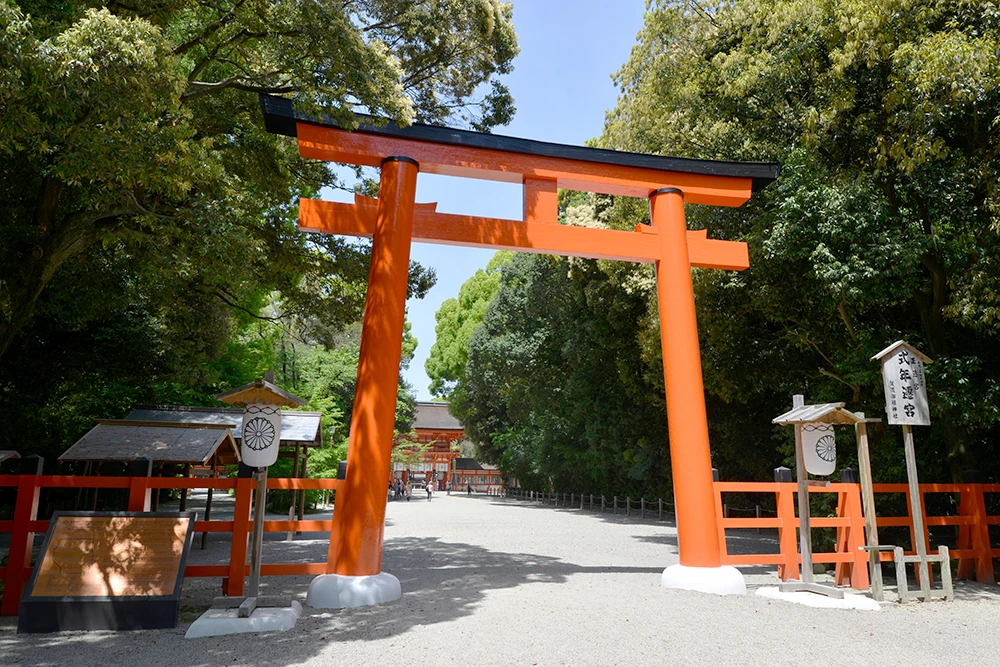
Temples and Shrines: What’s the Difference?
寺(Tera: Temples) and 神社(Jinja: shrines) can be found throughout Japan. They are often recognized by rows of red torii gates, peaceful buildings, and large bells. Both temples and shrines are deeply connected to Japanese culture and history, but many people are unsure of the differences between them. In fact, even some Japanese people find it difficult to explain exactly how they differ. In this article, we will explore the differences between temples and shrines, as well as their roles in Japanese culture and the ways Japanese people connect with them in everyday life.
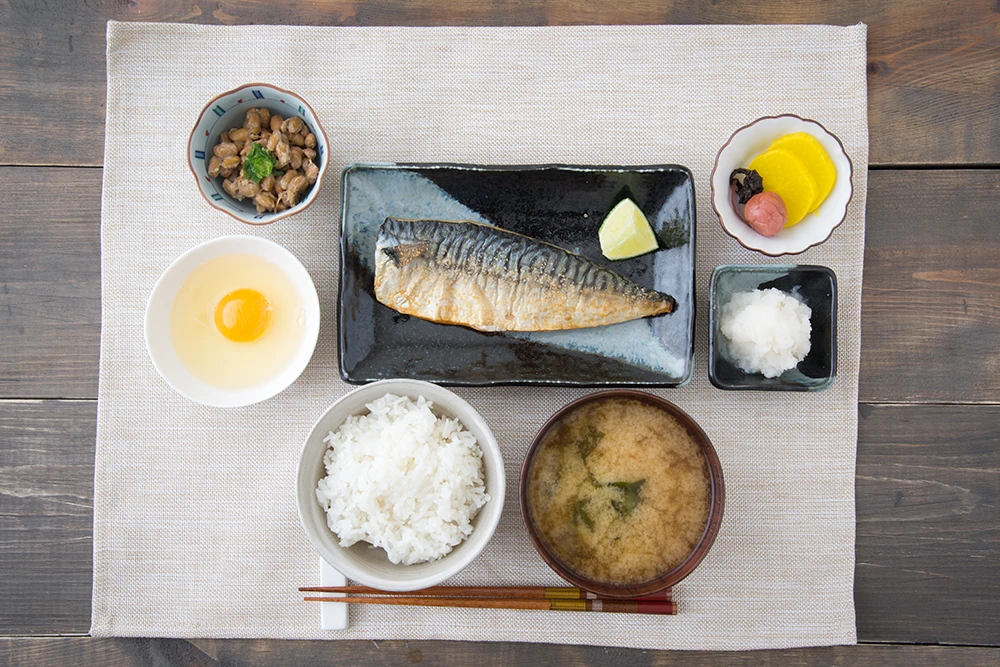
The Japanese Breakfast: History, Tradition, and Evolving Styles
“What do you usually eat for breakfast?” This seemingly simple question can reveal aspects of a country’s culture, history, and social structure. When asking a Japanese person about a typical Japanese breakfast, one might receive an answer such as white rice, miso soup, grilled fish, and pickled vegetables—a classic traditional Japanese-style breakfast. However, modern Japanese breakfasts offer more variety than one might expect. They range from simple dishes such as tamago kake gohan (rice topped with raw egg and soy sauce) to more elaborate, carefully prepared meals reminiscent of traditional ryokan breakfasts. Breakfast is often considered one of the most honest reflections of a society’s family structure and working styles in a given era. While traditional Japanese-style breakfasts continue to be passed down through generations, Japan’s morning food culture has gradually, yet steadily, changed alongside shifts in historical and social conditions. This article takes a closer look at contemporary breakfast practices in Japan, tracing the historical development of Japanese breakfast culture. A deeper understanding of food culture can lead to a more nuanced appreciation of a country as a whole.

The Culture of Number Pun Holidays in Japan: From Mt. Fuji Day to Meow-Meow Day
In Japan, it is common to see “what day it is today” featured in the news or on social media every day. Many of these days are unofficial holidays, such as Cat Day or Meat Day. These are not just random dates. They are based on a uniquely Japanese form of wordplay known as 語呂合わせ: goroawase, where numbers are read in ways that sound like words. Goroawase is a type of Japanese wordplay in which numbers are read in creative ways and turned into meaningful words. In Japanese, each number has multiple possible readings, such as on’yomi (Chinese-derived reading), kun’yomi (native Japanese reading), English pronunciation, or even onomatopoeic sounds. For example, the number “two” can be read as ni (on’yomi), futa (kun’yomi), two (English), or even nyan, the sound of a cat’s meow. By taking advantage of these flexible readings, people in Japan often assign meanings and word associations to numbers, turning them into playful expressions and even “holidays.”