

The Japanese Breakfast: History, Tradition, and Evolving Styles
How Breakfast Reflects Society
“What do you usually eat for breakfast?”
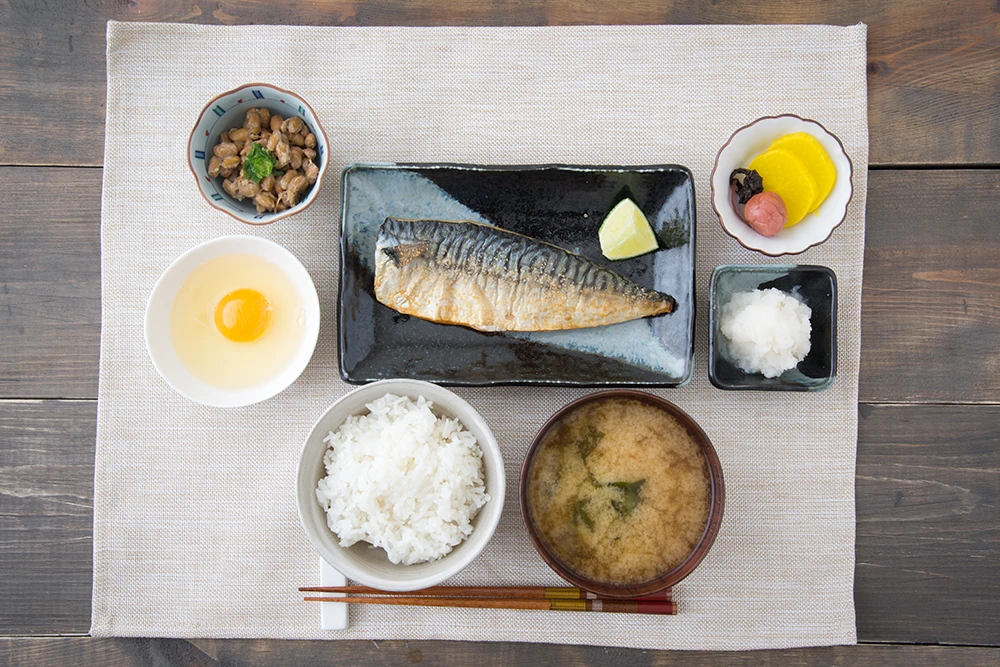
This seemingly simple question can reveal aspects of a country’s culture, history, and social structure. When asking a Japanese person about a typical Japanese breakfast, one might receive an answer such as white rice, miso soup, grilled fish, and pickled vegetables—a classic traditional Japanese-style breakfast.
However, modern Japanese breakfasts offer more variety than one might expect. They range from simple dishes such as tamago kake gohan (rice topped with raw egg and soy sauce) to more elaborate, carefully prepared meals reminiscent of traditional ryokan breakfasts. Breakfast is often considered one of the most honest reflections of a society’s family structure and working styles in a given era.
While traditional Japanese-style breakfasts continue to be passed down through generations, Japan’s morning food culture has gradually, yet steadily, changed alongside shifts in historical and social conditions. This article takes a closer look at contemporary breakfast practices in Japan, tracing the historical development of Japanese breakfast culture. A deeper understanding of food culture can lead to a more nuanced appreciation of a country as a whole.
History: How Japanese Breakfast Has Changed Over Time
Two Meals a Day as the Norm in the Edo Period
In fact, Japanese people have not been eating three meals a day for such a long period in history. From the Heian period through the early Edo period, having two meals per day was the norm even among the upper classes, such as the aristocracy and samurai.
A turning point came in the mid-Edo period. At that time, opportunities for labor increased as cities expanded and underwent reconstruction, which significantly affected the lifestyles of craftsmen and townspeople. In particular, manual laborers required more energy and began to eat three meals a day to sustain their physically demanding work. Furthermore, the spread of andon (oil lamps fueled by rapeseed oil) throughout cities extended nighttime activity, contributing to the establishment of a three-meal-a-day lifestyle.
The Edo-period breakfast, which became widely established over time, is considered one of the foundations of the modern Japanese breakfast. The basic combination of rice, miso soup, and pickled vegetables emerged from practical wisdom in daily life, allowing people to obtain sufficient nutrition from readily available ingredients. This simple yet balanced meal structure went on to support Japanese morning meals for generations.
Postwar Dietary Reform and the Introduction of Bread
Japanese breakfast underwent significant changes after World War II. In the postwar period, many people struggled to secure sufficient food. With support from the United States, bread and skimmed milk powder were introduced and widely distributed through school lunch programs. The experience of children regularly consuming bread in school meals later influenced Japanese dietary habits more broadly.
Furthermore, during Japan’s period of rapid economic growth in the 1960s and 1970s, household appliances such as televisions, refrigerators, and washing machines became widely introduced into daily life. At the same time, admiration for Western-style living gradually grew among the Japanese population. Western-style breakfasts—such as toast, sunny-side-up eggs, and a cup of coffee—also became established as a symbol of a modern and stylish lifestyle.
Eventually, breakfast in Japan shifted from a traditional rice-centered meal to a more flexible style in which people choose between Japanese and Western options depending on the occasion and lifestyle.
Society: Changing Breakfast Habits in Japan
Dual-Income Households and the Growing Emphasis on Efficiency
Breakfast in Japan has changed significantly from what it once was. One of the major factors behind this shift is the rise in the number of dual-income households. In 2024, the number of dual-income households in Japan reached approximately 13 million, far exceeding the number of households with full-time homemakers.
Mornings can be especially busy in households where both parents work. Between dropping children off at daycare or school and preparing themselves for work, many families have little time to slowly prepare a traditional Japanese breakfast consisting of rice, soup, and several side dishes.
As a result, quick and convenient breakfast options began to attract attention. Meals prepared the night before, frozen foods that can simply be heated in a microwave, and cereals or oatmeal requiring only milk or water have become common breakfast choices in Japan. The spread of these convenient meals reflects a modern lifestyle in which efficiency and time management are increasingly prioritized.
The Growing Habit of Eating Alone and Skipping Breakfast
In the past, sharing meals together as a family was often regarded as the ideal dining style in Japan. However, in recent years, eating alone has become increasingly common as family members’ schedules and daily routines have grown more diverse.
According to the 2023 National Health and Nutrition Survey conducted in Japan, 66.6% of respondents answered that they shared meals with their family “almost every day.” In other words, approximately 30% of respondents did not regularly eat meals together with their family members. It should be noted that this survey was not limited specifically to breakfast.
Furthermore, skipping breakfast is not uncommon. According to a survey by Japan’s Ministry of Health, Labour and Welfare, the rate of breakfast skipping is higher among younger generations, reaching approximately 30% for men in their twenties and around 24% for women in their twenties. This trend is closely linked to limited time between waking up and leaving for school or work, reflecting the lack of time in the morning as one of the key factors behind breakfast omission.
Flexibility in Choosing Your Own Breakfast Style
Traditional Japanese Style vs Convenient Western Style
Modern breakfast styles in Japan vary depending on individual preferences and lifestyles.
Washoku, or the traditional Japanese style of eating, often includes fermented foods such as natto and miso, along with protein sources like fish or eggs. This style offers a simple yet traditional flavor profile and is particularly well suited to those who are health-conscious or who value a calm and unhurried start to the day.
Western-style breakfasts, on the other hand, are known for their convenience and wide variety, often featuring items such as bread, eggs, coffee, and tea. Breakfast trends that gain popularity on social media also tend to be Western-style, including avocado toast, granola, and smoothies, which are especially popular among younger generations.
Nowadays, people in Japan often choose between Japanese-style and Western-style breakfasts depending on their mood, physical condition, or how much time they have in the morning. Thoughts such as “I feel like having a Japanese-style breakfast today” or “I’ll just have some bread because I’m short on time” have become common. In addition to Japanese and Western options, Chinese, Korean, and other international styles have also become part of everyday breakfast choices. This variety reflects the flexibility of modern Japanese food culture.
Japan’s Unique Breakfast Evolution: Morning Café Culture and Convenience Store Meals
In addition to breakfasts eaten at home, Japan also has breakfast customs that are unique to the country. One representative example is the “morning service” culture. Originating mainly in Aichi Prefecture, this custom typically includes toast or boiled eggs at no extra cost when ordering a cup of coffee, with each region offering its own local variations and specialties. Today, breakfast menus can be enjoyed at cafés and family restaurants throughout Japan.
Another essential element of modern breakfast culture in Japan is the presence of convenience stores. Japanese convenience stores, often referred to as “konbini,” are also highly popular among international visitors and are typically open 24 hours a day. They offer a wide range of food items such as rice balls (onigiri), sandwiches, soups, and boiled eggs, providing customers with the convenience of purchasing various meals at any time.
As shown above, modern Japanese breakfasts offer a wide variety of choices in terms of where, what, and how people eat. If you happen to visit Japan, we encourage you to try onigiri from a convenience store or morning specials at local cafés.
Discovering Your Own Way to Enjoy Breakfast in Japan
From simple meals of white rice and miso soup enjoyed in the Edo period to modern convenience foods such as onigiri and coffee, Japan’s breakfast culture has changed over the course of centuries in response to social transformations. However, one thing that has not changed is the idea that a good breakfast can enrich the entire day. If you ever have the opportunity to live in Japan, you may encounter many new experiences. Whether trying an authentic Japanese-style breakfast, picking up food from a convenience store, or enjoying a morning special at a local café, each of these can become part of your own breakfast experience in Japan. Through Japan’s breakfast culture, we hope you will discover the country’s history and the everyday lives of its people for yourself.
The Importance of Understanding Culture and Customs in Language Learning
Understanding Japanese customs and culture while learning the language itself is an effective way to improve one’s proficiency. By paying attention to everyday life and daily habits in Japan, learners can gain a deeper understanding of words and expressions that textbooks alone cannot fully convey. At TCJ, we encourage learners not only to improve their language skills, but also to deepen their understanding of Japanese culture through realistic insights into daily life in Japan. We hope you will experience it for yourself!
Note:
This article is based on general information about Japanese food culture and history. Customs and practices may vary depending on the region and individual household.
References and Sources
Ministry of Health, Labour and Welfare of Japan. Overview of the 2023 National Health and Nutrition Survey results.
https://www.mhlw.go.jp/content/10900000/001338334.pdf
Ministry of Health, Labour and Welfare of Japan. Overview of the 2017 National Health and Nutrition Survey results.
https://www.mhlw.go.jp/content/10904750/000351576.pdf
Japan Institute for Labour Policy and Training. Trends in dual-income households.
https://www.jil.go.jp/kokunai/blt/backnumber/2025/04/c_01.html
Ministry of Agriculture, Forestry and Fisheries of Japan. Mezamashi Gohan (Breakfast awakening campaign).
https://www.maff.go.jp/j/seisan/kakou/attach/pdf/youryou-2.pdf
Ministry of Agriculture, Forestry and Fisheries of Japan. (n.d.). Washoku: Traditional dietary cultures of the Japanese.
https://www.maff.go.jp/j/keikaku/syokubunka/ich/
Cabinet Office, Gender Equality Bureau. (2024). White paper on gender equality 2024. https://www.gender.go.jp/about_danjo/whitepaper/r06/zentai/html/zuhyo/zuhyo00-op02.html
Note: All URLs were accessed as of May 2026. Information provided by each institution is subject to change without notice.
SHARE ON



- Japanese Greetings
- Japanese Phrases
- Online Lesson
- JLPT
- Business & Daily Life Japanese Program
- ビジネス日本語
- Interview
- 日本語上級者
- Japanese tips
- Kanji
- Want to Learn Japanese
- Private Lesson
- Japanese for Expats
- International Student Visa Program
- Job Hunting in Japan
- Japanese Language School
- Email Phrases
- Business Japanese
- Keigo
- Japanese For Executives
- Japanese Manners
- Learn Japanese
- Japan Trivia
- Basic Japanese
- Japanese Culture
- Japanese Beginner
- Japanese Advanced

4 Must-Have Apps for Everyday Life in Japan
Japan’s Iconic 抹茶(Matcha): Uncovering Myths and Reality