


Best Japanese language school for newcomers to Japan

Japan attracts many beginners every year with its rich culture and unique experiences. This guide introduces not only the importance of learning Japanese for beginners but also how to choose the best Japanese language school to start your journey.
This article is intended for Japanese learners of all proficiency levels, expatriates, foreigners considering moving to Japan, and those who already call Japan their home. It is especially relevant for foreign executives seeking to enhance both their professional and personal integration into Japanese society.
The Importance of Learning Japanese in Japan
For beginners, learning Japanese is not just about acquiring a new language but also embarking on a cultural journey. Mastering Japanese is the key to gaining deeper insights into the country, facilitating smoother communication, and integrating seamlessly into local communities. It goes beyond mere language acquisition, serving as a bridge that connects people with their history. For useful beginner phrases, check out this blog. But how should beginners choose a school? Here’s how:
Choosing a Japanese Language School
Student testimonials provide valuable insights into the effectiveness of an institution. To select the “best Japanese school,” you need to analyze what works best for you. If you need a checklist, see this blog.
Consider the curriculum: A comprehensive program should offer not only language proficiency but also cultural understanding. Teaching methods should be dynamic enough to accommodate different learning styles. Manageable class sizes allow for personalized attention and foster an effective learning environment. The school’s location also plays an important role, influencing both the overall experience and how well you integrate into the community. And of course, pricing matters as well. These considerations should guide you in choosing the right school, but if you need further assistance, refer to this blog:
Why location matters: choosing a Japanese language school
Prices of Japanese language schools – what’s best for you

Beginner Japanese Schools: The Perfect Start for First-Timers
For those who have just arrived in Japan, beginner-focused Japanese schools serve as a guiding light on the first step of their language-learning journey. Curriculums tailored to the unique needs of beginners provide a solid foundation for future studies. Equally important is a supportive environment that fosters camaraderie among students. Experienced teachers, well-versed in teaching beginners, carefully unravel the complexities of the language. At TCJ, we offer classes and lessons specifically designed for beginners and entry-level learners. Learn more here.
Our School: The Best Japanese Language School for First-Timers
At TCJ, we are the ideal choice for Japanese language beginners. First, we provide flexible Japanese classes that meet a wide range of needs. Sessions can be taken face-to-face at our school, online, or in a hybrid format combining both. Learners can also join at any time of the day. This means even busy beginners can learn Japanese while maintaining a flexible study schedule, making room for work, family, and friends, all while maximizing their learning potential.
Our language school is equipped to meet learners’ needs at every level. We offer classes for absolute beginners, daytime classes, and nine evening classes for intermediate learners aiming for the JLPT N2. For more advanced learners, we provide seven daytime classes targeting JLPT levels N1 through N5. Additionally, we offer specialized courses focused on specific outcomes, such as Kanji classes, speed-learning programs, and preparation for one’s first job in Japan.
At TCJ, we provide an exceptionally high level of Japanese language education. All of our teachers are native speakers of Japanese, highly qualified educators with academic training, overseas teaching experience, and thousands of hours of classroom practice. In fact, many of our teachers are professionally trained Japanese instructors, certified through one of the TCJ Japanese Teacher Training Programs in Tokyo or Osaka.
To further support our learners’ growth, we provide a variety of support services and study materials. These include downloadable digital resources, recommended books, listening materials, audiovisual resources, in-class handouts, and a range of events. For example, we host a monthly conversation club to give learners extra opportunities to practice.

Settling in Japan: How Learning Japanese Can Help
Learning Japanese supports adaptation to life in Japan by deepening your understanding of its culture. Grasping local customs and traditions fosters a sense of belonging and cultural immersion. Daily life becomes more convenient, and connections within the community grow stronger. When language becomes your ally, “settling in Japan” transforms into a far richer experience.
From reading signs to conversing with locals, mastering Japanese in daily life turns skills into friendships. Navigating Japanese customs ensures that your journey becomes more than just relocation—it becomes a meaningful transformation.
In this article, we have introduced not only the benefits of learning Japanese but also how to choose the right language school and the advantages of starting at a beginner-friendly Japanese school. At TCJ, we take pride in providing a comprehensive and tailored experience for beginners.
Learn Japanese with TCJ. Contact us for more details. TCJ is your guide to mastering the language that unlocks the rich experiences Japan has to offer. Every journey begins with a single step, and at TCJ, we make sure each step leads you closer to fluency and deeper cultural immersion.

SHARE ON



- Japanese for Expats
- International Student Visa Program
- Job Hunting in Japan
- Japanese Language School
- Email Phrases
- Business Japanese
- Keigo
- Japanese For Executives
- Japanese Manners
- Learn Japanese
- Japan Trivia
- Basic Japanese
- Japanese Culture
- Japanese Beginner
- Japanese Advanced
- Japanese Greetings
- Japanese Phrases
- Online Lesson
- JLPT
- Business & Daily Life Japanese Program
- ビジネス日本語
- Interview
- 日本語上級者
- Japanese tips
- Kanji
- Want to Learn Japanese
- Private Lesson

4 Must-Have Apps for Everyday Life in Japan
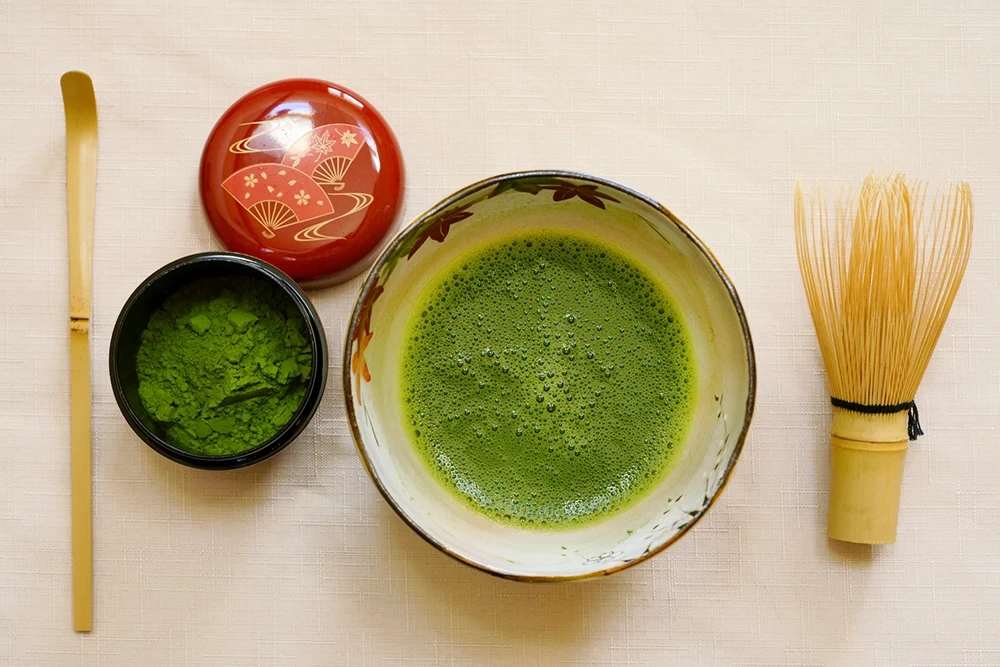
Japan’s Iconic 抹茶(Matcha): Uncovering Myths and Reality