

TCJ Blog
- Japanese for Expats
- International Student Visa Program
- Job Hunting in Japan
- Japanese Language School
- Email Phrases
- Business Japanese
- Keigo
- Japanese For Executives
- Japanese Manners
- Learn Japanese
- Japan Trivia
- Basic Japanese
- Japanese Culture
- Japanese Beginner
- Japanese Advanced
- Japanese Greetings
- Japanese Phrases
- Online Lesson
- JLPT
- Business & Daily Life Japanese Program
- ビジネス日本語
- Interview
- 日本語上級者
- Japanese tips
- Kanji
- Want to Learn Japanese
- Private Lesson

What is the N1 level of the JLPT, the highest level of the Japanese-Language Proficiency Test, and what kind of questions are asked?
N1, the highest level of the Japanese Language Proficiency Test (JLPT), is difficult even for Japanese people. It is sometimes said that “even Japanese people find it difficult to pass the N1 test,” and that “there are words and grammar that we don't usually use,” but this is not true at all. However, this is not the case at all. You can pass the test if you study the important points. In this article, we will explain the format and sample questions of the JLPT N1.

What is the JLPT N2?
Have you heard of the Japanese test called the 日本語能力試験 (Japanese-Language Proficiency Test), or JLPT? The Japanese-Language Proficiency Test (JLPT) is an exam that measures and certifies the Japanese ability of people whose native language is not Japanese. It is held not only in Japan but also in many other countries around the world. As the largest Japanese language test, it is widely recognized and well-known among people who study Japanese. The JLPT has five levels, ranging from N5, which is the easiest, to N1, which is the most difficult. Today, we will focus on the N2 level, which is the second most difficult, but also the level that many people aim for.
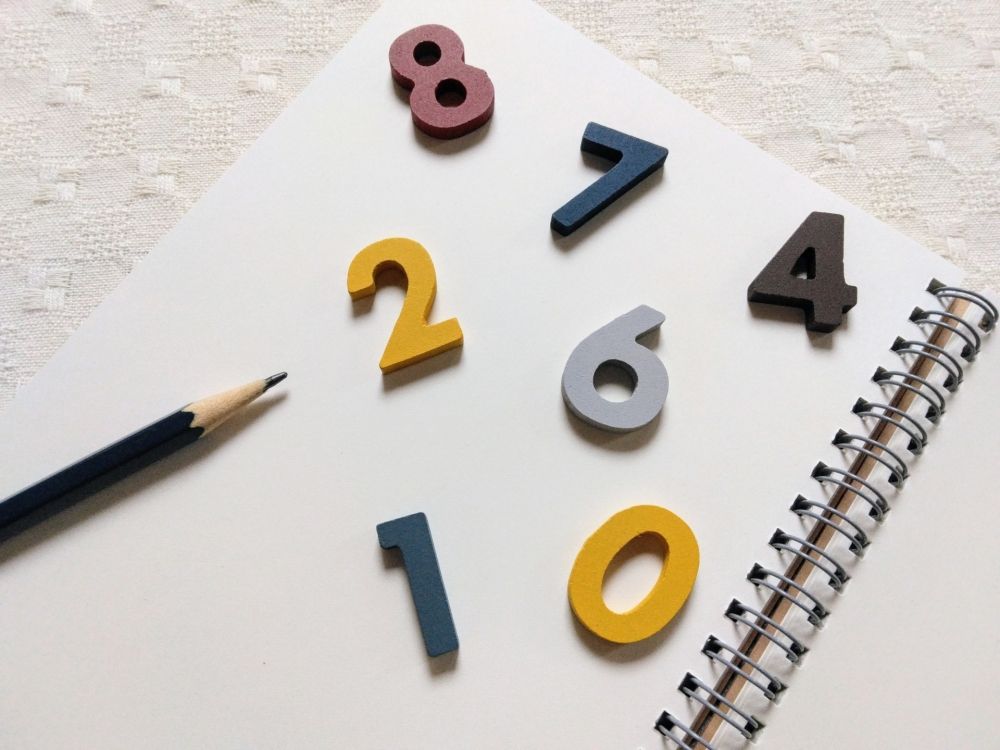
Exploring Japanese Number Units: Big and Small
How do you say “ten thousand” or “two million” in Japan. Do you know how to read 0.12 or 1/2? Japanese numerical units and their readings are difficult to understand. Here are some units and readings of numbers that you may know, but may be surprisingly difficult to understand.

The fascination with Four-Character idioms
Four-character idioms often describe the essence of human nature and serve as sharp aphorisms. I’ll show you their meanings and how to use them.