


Top tips for foreign residents in Japan

Many of our students at TCJ are living in Japan as foreign residents and some even moved to the country quite recently. Settling into living in a new country can be challenging no matter where you are in the world, as customs can differ from where you were born. Our guide offers tips (for foreign residents in Japan) on how to live here happily and successfully.
Learn some Japanese
The majority of people moving to Japan hardly know any Japanese at all, while most Japanese people cannot speak English well (although they do learn to read and write English from middle school). This makes it extremely challenging to undertake simple tasks. For example, it will be difficult to: ask for directions, book a hospital appointment, make friends or even get a job.
However, the point of learning Japanese is more than just being able to complete tasks. The language is also a part of the national culture and so by learning (even a little), you are showing local people that you care about, and are interested in, their country and its traditions.
The good news is that you do not have to do this alone. At TCJ, we offer a fully flexible and comprehensive program of classes for all abilities. For a full list of the classes we offer, please review our course page. If you are a beginner, please read our article on useful greeting phrases in Japanese. You can even begin learning before you move here by attending classes remotely.
Learn about Japanese culture
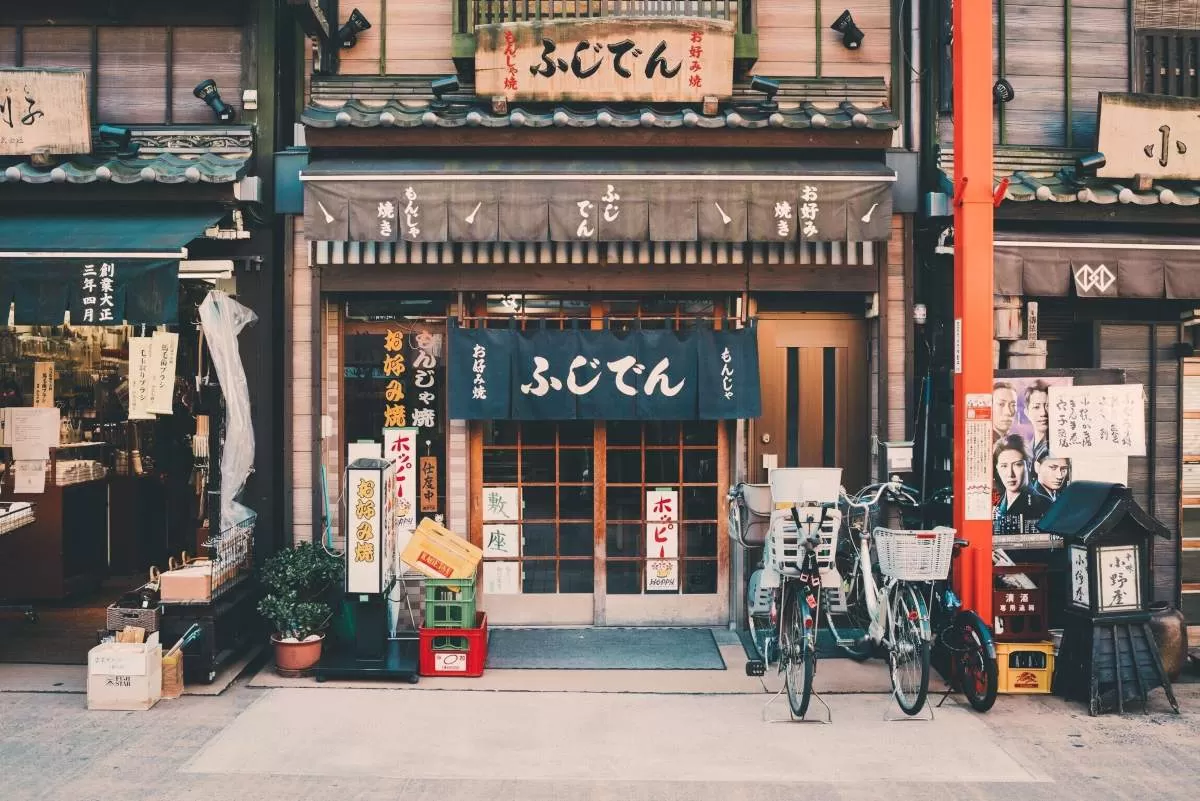
When compared with Western nations, Japan is culturally diverse, and much about living here is different from what people know. This can come as a shock to many as they try to settle into their new life in their new home country. But by learning about Japanese culture, you can minimize this culture shock as well as welcome the enjoyment of a new culture, with its ancient customs and traditions.
Being kind is a key concept of Japanese culture. This is known as “omoiyari” in Japanese – the concept of being considerate, having compassion and feeling empathy for others. You may see examples of this when you are living here. For example, if you ask a passer-by for directions, they will always help you and may draw you a map. Sometimes, they may even go out of their way to take you there themselves. This is just one example of many instances of “omoiyari” you may experience when living here, so we can encourage you to do the same.
Another key part of Japanese culture is speaking formally and informally. 敬語 (けいご, polite language) is a crucial aspect of Japanese communication. 敬語 utilizes humble and honorific forms of verbs in order to elevate the person you are talking to and humble yourself.
Hierarchy also comes into play in all aspects of communication, and this especially applies with 敬語. For example, a business owner would speak more directly to one of his employees, since he is at the top. However, when he’s meeting with a customer, his speech will become more formal and humble, in order to honor the customer.
Japanese people begin to learn this naturally once they hit middle school and have to start addressing their 先輩 (せんぱい, senior/upperclassman) with more polite language. Now, just because the Japanese language revolves around politeness does not mean that they never relax. In fact, being informal is also a way of being polite. Your friends won’t like you speaking in the です・ます form constantly, so it is best to know how to speak casually, too.
Finally, for this section, we cannot give you tips on Japanese culture without mentioning the food. The cuisine is so varied and of such outstanding quality that we recommend trying all dishes once and finding out what you like the most. We also recommend finding out what produce is in season as some foodstuffs will be better at certain times of the year.
Learn about Japanese etiquette
Japanese people are famous for being extremely polite and having outstanding manners. But like other cultures, this can manifest itself in a host of different forms and the rules can seem overwhelming at times. Therefore, we have listed the most important aspects of Japanese etiquette below:
Bowing in Japan
Bowing is a fundamental part of social etiquette emphasizing respect and social rank. From everyday greetings and business meetings to funerals, “ojigi” is ubiquitous in Japanese society and the ability to bow correctly and elegantly is widely considered to be one of the defining qualities of adulthood. It is divided into two categories: “zarei” (座礼), bowing while kneeling, and “ritsurei” (立礼), bowing while standing. In either case, it is considered essential to bend one’s body only at the waist and keep one’s back completely straight during the bowing gesture. Failure to do so is often thought of as an indication of lethargy, insincerity and even disrespect.
Remove your shoes when you enter someone’s home
It is a great honor to be invited into the home of a Japanese person. People in Japan hold cleanliness in high regard, taking great care in keeping an immaculate home. This means that their home should not be soiled by the dirt on your shoes. So it is customary to take off your shoes and usually go in just socks, or wear the slippers provided.
Using chopsticks
Being able to use chopsticks correctly shows politeness, so make sure that you practice at home before. It is easy to find examples online of what to do and how to use them.
Be careful when using your phone in public
It is considered impolite to talk on the phone in just about any indoor public space. This would include public transport, coffee shops, restaurants, a hotel lobby, a waiting room, lounge, etc. If others can hear you, you should either go outside or somewhere more private.
Don’t eat and walk on the street
This is considered rude as it can be in other cultures around the world.
Japanese punctuality
The idea is you should be ready to go with whatever is planned at the starting time. This means, for example, if work starts at 9:00 you should be in the office, at your desk with your computer on at 9:00. Thus, you should show up early enough to make that possible.
Fortunately, if you are not Japanese you are not expected to know every little detail. This “foreigner pass” can come in handy in many situations where you may be lost on what exactly to do. However, knowing the basics of Japanese politeness will earn you points with your Japanese friends and colleagues.
How we can help at TCJ
If you are a foreign resident living in Japan and are keen to learn more about Japanese culture, language, and etiquette, TCJ can help. TCJ is a leading Japanese language school located in Shinjuku. It offers flexible courses catered to a range of needs. Join one of our courses or sign up for private lessons to live a happy life in Japan. The staff at TCJ are ready to help you learn Japanese and all of Japan’s customs and norms.
Please get in touch if you’d like to learn more about TCJ. Whatever your requirements, we can find the right Japanese language course for you.

SHARE ON



- Japanese for Expats
- International Student Visa Program
- Job Hunting in Japan
- Japanese Language School
- Email Phrases
- Business Japanese
- Keigo
- Japanese For Executives
- Japanese Manners
- Learn Japanese
- Japan Trivia
- Basic Japanese
- Japanese Culture
- Japanese Beginner
- Japanese Advanced
- Japanese Greetings
- Japanese Phrases
- Online Lesson
- JLPT
- Business & Daily Life Japanese Program
- ビジネス日本語
- Interview
- 日本語上級者
- Japanese tips
- Kanji
- Want to Learn Japanese
- Private Lesson
Part-Time Opportunities for Japanese Language Students
The Japanese Breakfast: History, Tradition, and Evolving Styles