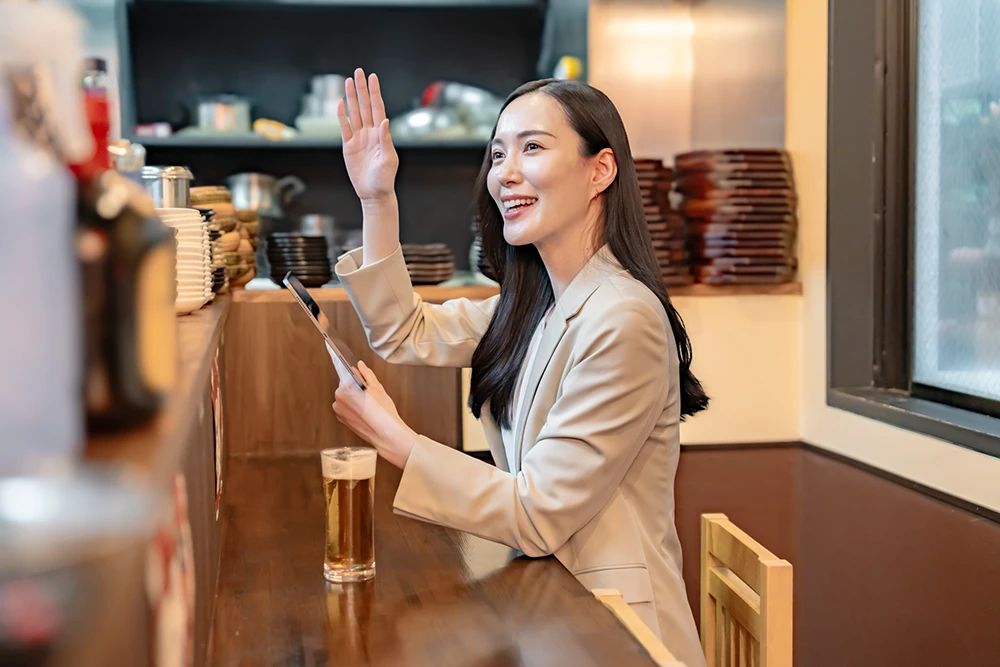


Useful! Simple! Various Japanese phrases
More and more people do not think they have to understand the Japanese language, because they have translation apps and they can look up everything on smartphones. However, in some situations such as “you are losing your way when you look at a map on your smartphone” and “you want to eat sushi but you cannot eat wasabi,” if you can ask or say in easy Japanese, it is convenient, isn’t it?
This time, we will introduce some simple Japanese phrases that can be used when asking for directions, when shopping, and when eating out.
At first, when you ask something to strangers, say “Sumimasen. (すみません。)” “Sumimasen.” has a lot of ways to use it. One of the meanings is “I am sorry.” and the other is “Thank you.” It is also used when talking to people you don’t know.
For example,
「すみません、これはなんですか」(Sumimasen, kore wa nandesuka): Excuse me, what is it?
「すみません、お水をください」( Sumimasen, Omizu o kudasai): Excuse me, I would like water, please.
When asking for direction / at a station or an airport
〔どこですか〕(Dokodesuka): Where
When you look at the map app on your phone and you want to know where you are now
You:「すみません、今どこですか」(Sumimasen,ima dokodesuka): Excuse me, where is it?
B :「今、ここですよ」 (Ima koko desuyo) : Here.
When you want to know where you want to go
You:「すみません、*東京タワーはどこですか」(Sumimasen、Tokyo Tower wa dokodesuka): Excuse me, where is Tokyo Tower?
B :「あそこです」(A soko desu ): There.
「〇〇はどこですか」(○○ wa doko desuka): Where is ○○?
*駅(えき Eki):station
バス停(ばすてい Basutei): bus stop
トイレ(といれ toire): rest room
交番(こうばん koban): police box
案内所(あんないしょ annaisho): tourism breau
〔どっちですか・どちらですか〕
(Docchi desuka/Dochhira desuka): Which way is it?
When you want to know the direction
You:「すみません、渋谷駅は どっちですか。」( Sumimasen,Shibuyaeki wa docchidesuka.): Excuse me, which is the way to the Shibuya station?
B :(指をさして)「*こっち ですよ」( Kocchi desuyo ) : This way. (With a finger toward)
*こっち Kocchi :this way
そっち Socchi :that way
右(みぎ migi): right
左(ひだり hidari): left
ここを真っすぐ(まっすぐ)です Kokowo massugu desu. : Go straight on this way.
When you want to know something nearby
You:「すみません、近くに *ATMがありますか。」(Sumimasen chikaku ni ATM ga arimasuka): Excuse me, is there an ATM near here?
B :「はい、あそこのコンビニにあります」 (Hai,Asoko no conveni ni arimasu): Yes, it is in the convenience store over there.
*トイレ toire: rest room
駅 eki: station
バス停 basutei: bus stop
交番(こうばん kouban): police box
薬屋(くすりや kusuriya): pharmacy
〔 ~へ行きますか 〕〜 e ikimauska?: Does〜 go to ~?
When you ask it on a station or a bus stop
You:「すみません、これは 上野に行きますか」(Sumimasen kore wa Ueno ni ikimasuka): Excuse me, does this train go to Ueno?
B :「はい、行きます」 (Hai,ikimasu): Yes, it is.
「いいえ、これは上野に行きません。次の電車です。」(Iie ,kore wa ueno ni ikimasen.tugino densya desu): No, it isn’t. The next train is.
〔 ~はどれですか 〕~ wa doredesuka?: Which is〜 to go to ~?
When you ask it on a station or bus stop
You:「すみません、上野へ行きます。電車はどれですか。」(Sumimasen. Ueno e ikimasu.densya wa doredesuka): Excuse me, I will go to Ueno. Which train is it?
B :「*3番線ですよ。」 ( 3bansen desuyo) : It’s track no. 3.
*〇番線(〇ばんせん ○ bansen): track no.○
〔When you take a taxi〕
When telling your destination to a driver
「TCJビルまでおねがいします。」(TCJ building made onegaishimasu): I would like to go to the TCJ building.
When you get out of a taxi
「そこで止めてください。」(soko de tomete kudasai): Let me out there please.
When you go shopping
If you do not talk with sales staff
Sales staff :「いらっしゃいませ。何かお探しですか。」(Irasshaimase,Nanika osagashidesuka.): Hi. Can I help you find something?
You :「ありがとう。見ているだけです」 ( Arigato.Miteirudakedesu) : Thank you. I’m just looking at it.
If you want to ask questions
「これはなんですか。」(kore wa nandesuka): What is this?
「どうやって *使いますか。」(Dou yatte tsukaimasuka): How can I use it?
*使いますか tsukaimasuka: How can I use it?
食べますか tabemasuka: How can I eat it?
飲みますか nomi masuka: How can I drink it?
「これは 日本語で なんですか。」(Kore wa nihongo de nandesuka): How do you say this in Japanese?
「*豚肉 が 入っていますか。」(Butaniku ga haitteimasuka): Does this dish have pork?
「〇〇が入っていますか。」○○ ga haitte imasuka?: Does it have ○○?
*牛肉(ぎゅうにく gyuniku): beef
卵(たまご tamago): egg
小麦粉(こむぎこ komugiko): flour
お酒(おさけ osake): alcohol
*何が入っていますか What’s in this dish?
When you want to try some clothes on
「試着してもいいですか。」(Shichaku shitemo iidesuka): I’d like to try this on.
「*着てみてもいいですか。」(Kite mitemo iidesuka): Can I try it?
「〇〇てみてもいいですか。」○○ te mitemo iidesuka? : Can I ○○?
* 着てみても kitemitemo: Can I try it on?
はいてみても haite mitemo: Can I try to waer it?
食べてみても tabetemitemo: Can I eat it?
飲んでみても nonde mitemo: Can I drink it?
触ってみても sawatte mitemo: Can I touch it?
開けてみても akete mitemo: Can I open it?
If you look for other thing
「大きい(小さい)サイズがありますか。」(Ookii(chiisai)size ga arimasuka : Do you have a bigger/smaller one?
「ほかの色(デザイン)がありますか。」(Hoka no iro(design)ga arimasuka): Do you have this in any other color? / Do you have any other designs?
At cash register
clerk:「お支払いはどうされますか。」(Oshiharai wa dousaremasuka): How would you like to pay?
you:「*カードで。」(card de): by card
*現金で(げんきん genkin): by cash
スイカで suica de: by suica
ペイペイで paypay de: by paypay
clerk:「*袋はどうされますか。」(Fukuro wa dou saremasuka): Would you like a bag?
you:「いりません。」(irimasen): No, thank you.
「ください。」(Kudasai) : Yes, please.
*袋(ふくろ fukuro): bag
おはし ohashi: chopsticks
スプーン spun: spoon
フォーク foku: fork
ストロー sutoro: straw
「ギフトにしてください」(Gift ni shitekudasai): Could you wrap it as a gift?
「ラッピングしてください。」(Wrapping shhitekudasai)Can I have it gift-rapped?
In Japan, we have to buy shopping bags and gift-wrapping at most shops.
When you eat out
At some fast-food restaurants or ramen restaurants, we buy menu tickets or order your dishes from vending machines. If you do not know the way to order, let’s ask the staff.
you:「すみません、どうやって注文しますか。」(Sumimasen.Douyatte chumon shimasuka): How can I order?
clerk:「自動販売機でチケットを買ってください。」(Jido hanbaiki de ticket wo katte kudasai): Please, buy the tickets from the vending machine.
「先にお金を入れて、ボタンを押してください。」(Saki ni okane wo irete botan o oshitekudasai): Please insert the money, then press the button.
When you order
If you do not decide what you order
clerk:「ご注文はお決まりですか。」(Gocyumon wa okimari desuka) : Are you ready to order?
you : 「まだです。もう少しまってください。」(sumimasen.mousukosi mattekudasai): Not yet. Could you please give me some time.
Looking at a menu 「これをください。」(Kore o kudasai): I would like this.
「*〇〇をください。」(〇〇 o kudasai): I would like ○○.
*お茶 ocha: tea
スプーン spun: spoon
フォーク foku: fork
はし hashi: chopsticks
皿(さら sara): plate
メニュー menyu: menu
you:「おすすめはなんですか。」(Osusume wa nandesuka): What is the recommendations?
clerk:「オムライスです。」(Omurice desu ): It is omelet and rice.
you:「どんな料理ですか。」(Donna ryori desuka): What kind of dish is that?
clerk:「卵とごはんの料理です。」(Tamago to gohan no ryori desu): It has eggs and rice.
you : 「*ベジタリアンメニュー がありますか」(vegetarian menu ga arimasuka): Do you have a menu for vegetarians?
「〇〇がありますか。」○○ ga arimasuka?: Do you have ○○?
*ノンアルコールドリンク non arukoru dorinku: alcohol-free drink
豚肉(ぶたにく) 牛肉(ぎゅうにく)が入っていない料理 butaniku gyuuniku ga haitteinai ryouri: the dish without pork and beef
ソイミートを使った料理 soi mito wo tsukatta ryouri: the dish with soymeat
辛い(からい)料理 karai ryouri: spicy food/辛くない(からくない)料理 karakunai ryouri: not spicy food
When you want to say that you don’t want ○○ in your food. For example, you want to eat sushi, but you can’t eat wasabi. You want to eat ramen, but you don’t need green onions.
you:「すみません、*わさびぬきで(おねがいします)」(sumimasen,wasabinuki de (onegaishimasu)): Excuse me, without wasabi, please.
「〇〇ぬきでおねがいします」○○ nuki de onegaishimasu: without ○○, please.
*ネギぬきで neginukide: without green onions
ニンニクぬきで ninnikunukide: without garlic
パクチーぬきで pakuchi nukide :without cilantro
When clerk ask you when they serve the drink
clerk:「お飲み物はいつお持ちしますか。」(Onomimono wa itsu omochi shimasuka): When can I get you a drink?
you:「先に。」(sakini): first
「食事といっしょに。」(syokujitoissyoni): with meal
「後で。」(Ato de): later
When calling over clerk
「すみません。」(sumimasen): excuse me.
when the dish has not arrived yet,
「〇〇まだですか。」
(〇〇madadesuka): My dish has not arrived yet.
When you receive something different from what you ordered
「ホットコーヒーをたのんだんですが。」(hot coffee wo tanondandesuga): I ordered a cup of hot coffee.
「~をたのんだんですが(ちがいますよ)〜wo tanondano desuga (chigai miasuyo): I ordered ~. (It is different.)
When paying
At the cash register
clerk:「お会計はごいっしょですか。」(Okaikei wa goissyodesuka)Would you like to pay together?
you:「いっしょに」(issyo ni ): pay together
「べつべつで」(betubetu de): split the bill
「おいしかったです。ごちそうさま。」(Oishikatta desu .gochiso sama ): it was good. Thank you.
Let’s learn Japanese at TCJ
This time, we chose some phrases which are not found in Japanese textbooks or conversation books, but are actually used often. And, the phrases are simple. However, you do not only read it but also want to use it in real life and practice speaking. In TCJ lessons, there are many opportunities to use and speak the phrases you have learned in both class and private lessons. We are happy when students tell us “I tried using the phrase that I learned in the lesson.” Why not study “ready-to-use Japanese” at TCJ?

SHARE ON



- Japanese tips
- Kanji
- Want to Learn Japanese
- Private Lesson
- Japanese for Expats
- International Student Visa Program
- Job Hunting in Japan
- Japanese Language School
- Email Phrases
- Business Japanese
- Keigo
- Japanese For Executives
- Japanese Manners
- Learn Japanese
- Japan Trivia
- Basic Japanese
- Japanese Culture
- Japanese Beginner
- Japanese Advanced
- Japanese Greetings
- Japanese Phrases
- Online Lesson
- JLPT
- Business & Daily Life Japanese Program
- ビジネス日本語
- Interview
- 日本語上級者
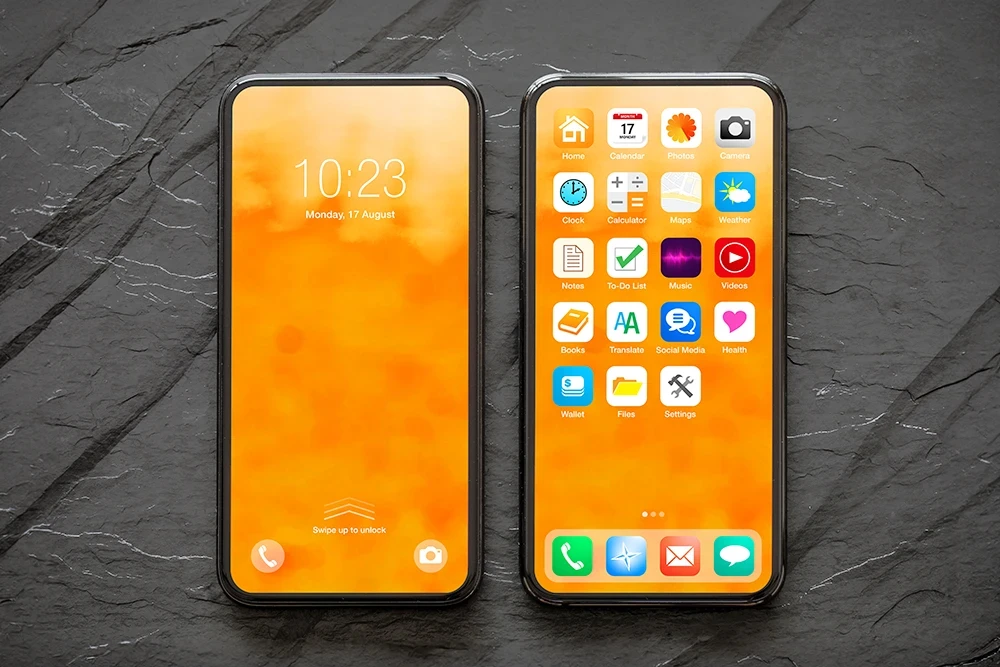
4 Must-Have Apps for Everyday Life in Japan
Japan’s Iconic 抹茶(Matcha): Uncovering Myths and Reality