

TCJ Blog
- Japanese for Expats
- International Student Visa Program
- Job Hunting in Japan
- Japanese Language School
- Email Phrases
- Business Japanese
- Keigo
- Japanese For Executives
- Japanese Manners
- Learn Japanese
- Japan Trivia
- Basic Japanese
- Japanese Culture
- Japanese Beginner
- Japanese Advanced
- Japanese Greetings
- Japanese Phrases
- Online Lesson
- JLPT
- Business & Daily Life Japanese Program
- ビジネス日本語
- Interview
- 日本語上級者
- Japanese tips
- Kanji
- Want to Learn Japanese
- Private Lesson

Meet the Maneki-neko: Japan’s Iconic Lucky Cat
In this article, we explore the iconic Japanese 招き猫: Maneki-neko, also known as the “lucky cat,” often seen at the entrances of restaurants and homes. We look at its origins, the meanings behind its colors, and the raised paw gesture. We also introduce famous sites where tourists can encounter numerous Maneki-neko, offering an opportunity to deepen your understanding of Japanese culture.

Best Part-Time Jobs in Japan to Improve Your Japanese
For students living in Japan, part-time jobs serve not only as a source of income but also as an opportunity to improve Japanese language skills. The Japanese learned in textbooks and the Japanese used in real-life situations often differ significantly. Through part-time work, learners can acquire practical Japanese, including communication with customers and coworkers, as well as the use of honorific language. This article introduces some of the most effective part-time jobs for improving Japanese language ability. It is intended as a reference for those considering starting part-time work in Japan.

Unique Features of Japanese Gestures: Similarities and Differences Across Cultures
For those considering studying in Japan, attending a language school, or seeking employment in the country, understanding Japan’s unique gestures is essential—not just the language itself. During time spent in Japan, it becomes apparent that these gestures reflect distinctive cultural norms. Hand and body movements can vary significantly depending on language and cultural background. This article explores commonly used gestures among Japanese speakers and highlights how they differ across cultures. We hope this article will support your daily life in Japan.

Japanese Internet Slang Explained:“Kusa (w),” “Oshi,” and “Numa” — Japanese You Won’t Find in Textbooks
In what situations do people encounter the Japanese language? Many people learn Japanese through social media or video content, especially if they do not live in Japan or have few opportunities to speak the language. In fact, some of my students mention that they use YouTube as a resource for studying Japanese. Along these lines, the word “kusa” (grass) can often be seen popping up throughout the comment sections. However, it does not actually refer to grass. It typically appears when someone makes a joke or when something unexpected happens, which can be confusing for those encountering it for the first time. Expressions like this rarely appear in textbooks, even though they are widely used on social media every day. In this article, a Japanese teacher introduces three of the most commonly encountered pieces of Japanese internet slang, explaining their meanings and origins. Let’s take a closer look together, starting with expressions that may already feel familiar from online spaces.
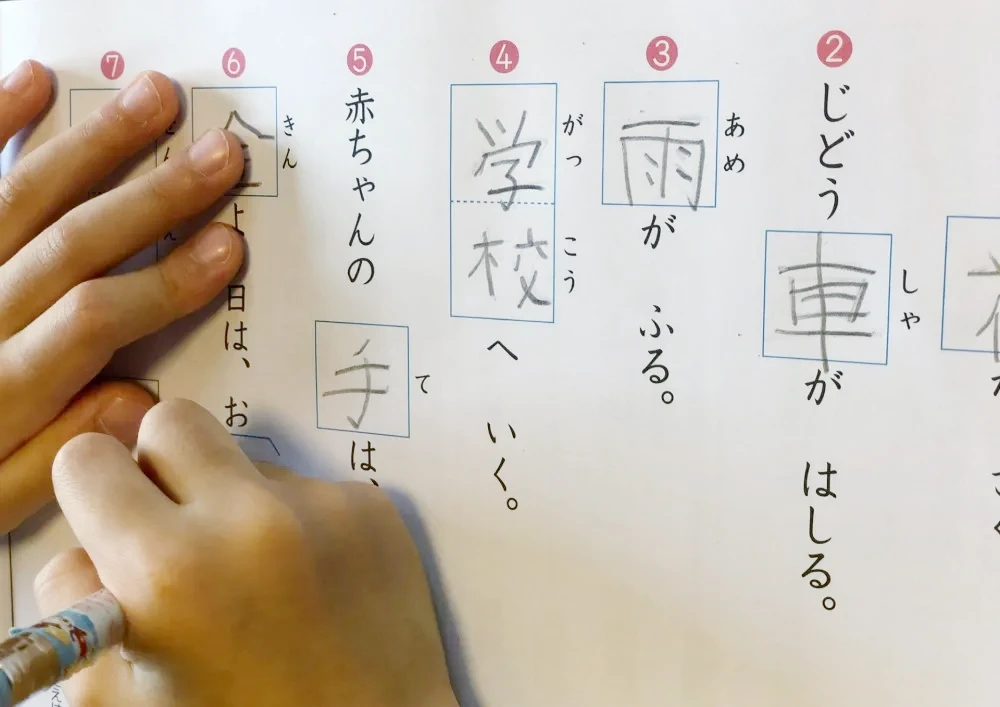
Difficult Japanese sentences for people not from Japan: 3 examples
People not from Japan often say that Japanese is hard to understand and to learn. Is it true? Thinking about it deeply, we will realize that Japanese proper, kind minds and consideration actually make the difficulty, and more people feel Japanese is hard. This time, we will think about the ambiguous Japanese phrase with some sentences.