

TCJ Blog
- Japanese For Executives
- Japanese Manners
- Learn Japanese
- Japan Trivia
- Basic Japanese
- Japanese Culture
- Japanese Beginner
- Japanese Advanced
- Japanese Greetings
- Japanese Phrases
- Online Lesson
- JLPT
- Business & Daily Life Japanese Program
- ビジネス日本語
- Interview
- 日本語上級者
- Japanese tips
- Kanji
- Want to Learn Japanese
- Private Lesson
- Japanese for Expats
- International Student Visa Program
- Job Hunting in Japan
- Japanese Language School
- Email Phrases
- Business Japanese
- Keigo

Japanese Words Originating from Martial Arts
The Paris Olympics and the best drama at TV's Emmy Awards “SHOGUN” have brought renewed global attention to Japanese martial arts. This is because they are not merely acts of brute conflict relying on sheer power, but disciplines rooted in profound spirituality, supported by etiquette, respect, and relentless training. Today, we introduce Japanese words commonly used in daily conversations that have been cherished by the Japanese people for generations.

Mastering Japanese Onomatopoeia: Tips to Make the Tricky Easy
Japanese onomatopoeia, which native speakers often use, can be quite difficult for learners to understand. Why do so many people find them hard to master? In this article, we will explore some tips for studying onomatopoeia effectively, along with a few recommended websites for learning them. By incorporating these expressions into your daily conversations, Japanese people might be impressed!
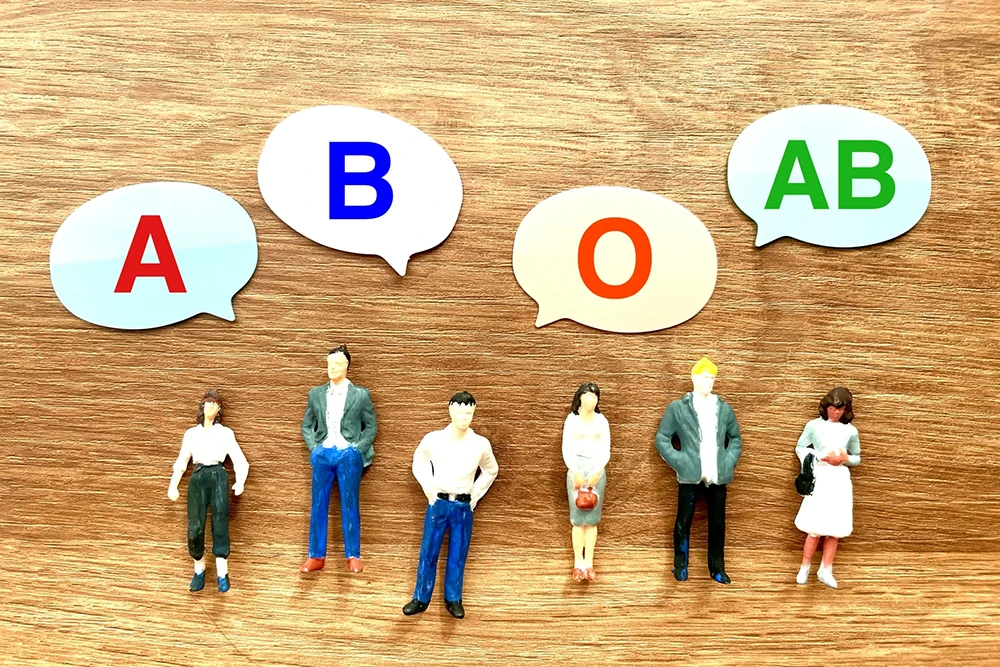
Why Are Japanese People So Interested in Blood Types? The Facts Behind Blood Type Personality Tests and Fortune Telling
In Japan, blood types are commonly brought up in conversations. A lot of people tend to categorize characteristics based on blood types, such as “A person with blood type A tends to be like…”. Today, we will explore why this belief is so popular. Read on to find out the reason!

3 Must-Watch Anime for Learning Japanese
Do you enjoy anime? While studying with textbooks is an effective and essential method for learning Japanese, when you start to feel tired, watching anime can offer a pleasant and enjoyable way to continue your studies. Today, we’ll explore three anime that are perfect for learning Japanese. Improve your Japanese skills while enjoying these must-watch shows!

Sports Day, School Festival, and Choir Festival: A Cultural Insight into Japanese School Events
Are you familiar with Japanese school events? Some of you may have encountered them through anime or manga. For most Japanese people, including myself, events such as Sports Day (undōkai) and School Festivals (bunkasai) are a natural part of school life. However, many of these events are quite unique to Japan and may not be found in schools elsewhere. In fact, they often surprise those unfamiliar with Japanese culture. In this article, we will take a closer look at some of the most distinctive school events in Japan.