

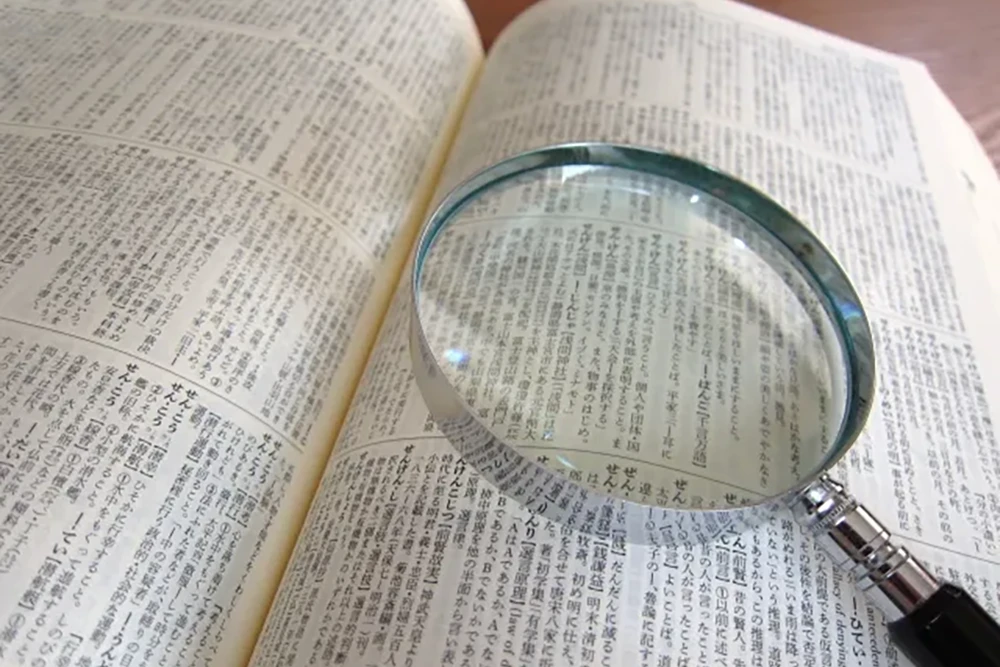
A Japanese language teacher’s summary of commonly used expressions in Japanese.
Seven Japanese phrases to enhance your expression
There are some words that Japanese people often use but the nuance is subtle and it is hard to use. However, if you can use them well, your friends and Japanese people will be surprised. This time, we will show you seven phrases and explain them with example sentences.
まんざら (manzara)
〇彼は賃上げの額を見て、まんざらでもなさそうな顔をした。
(Karewa chinageno gakuwo mite, manzarademonasasouna kaowo shita.)
When he saw the salary kept up, he said he had no complaints and it was okay.
〇学生時代の成績は、まんざらでもなかったようだ。
(Gakuseijidaino seisekiwa, manzarademonakatta youda.)
: The grade in school was not bad.
The negative form “ない (nai)” is added at the end, such as “まんざら~ない、でもない (manzara ~ nai, demonai).”
*This expression is used when something is not too bad and is somewhat positive and acceptable. Japanese people do not tell others “totally OK” or “totally bad.” That is why many of them say things like “not too bad” in a negative form. It is said to be a typical Japanese expression.
The examples that emphasizing the following word, especially using negative form “not ~.”:
〇まんざら、イヤでもなさそうだ。
(Manzara, iyademo nasasouda.)
He/She doesn’t seem like he/she dislikes it that much.
〇アメリカ人と会話ができて、自分の英語もまんざら、ダメでもないと思った。
(Amerikajinto kaiwaga dekite, jibunno eigomo manzara, damedemo naito omotta.)
Since I can communicate with an American person, I think my English skill is better than I expected.
さすが (sasuga)
〇さすがに、あの歌手は歌がうまい。
(Sasugani, anokashuwa utaga umai.)
The singer can sing well. That is a professional.
〇学生時代、選手だったそうだよ。彼のプレイはさすがだねえ。
(Gakuseijidai, senshudatta soudayo. Kareno purewa sasugadane.)
It is said that he was a player when he was a student. His play is great.
The word is used when acknowledging someone’s occupation, qualifications, abilities or when praising them by saying “it lives up to its reputation!” or “it was worth the hype.”
Sometimes we can say just “さすが (sasuga)!” when we praise someone.
〇さすが社長、決断が早いですね。
(Sasuga shacho, ketsudanga hayai desune.)
That is our boss. You make decisions quickly.
〇「さすがぁ! (Sasuga!)」
“I know you can sing well. Anyhow, great!” to a person who sings a song at karaoke.
This expression is used when praising, flattering, or brown-nosing someone, saying that their abilities etc. are up to the reputation or expectations.
*It is an expression that praises the person. So, when you say it to him/her, he/she is glad. However, when the situation is bad or the person makes any mistakes and say “さすが (sasuga),” it can be an irony or teasing. So, you should be careful to use it depending on the situation.
On the other hand, the next is the different nuance to emphasize what you say such as “it is different from the normal pattern” or “it is the special situation.”
〇 海が荒れていて、彼もさすがに、助けることができなかった。
(Umiga areteite, karemo sasugani, tasukerukotoga dekinakatta.)
He could not rescue them because the sea was rough. Normally he would be able to, but…
〇あまりヒドイので、さすがの私も、怒りました。
(Amiri hidoinode, sasugano watashimo, okorimashita.)
I got angry with it because it was too bad. Normally I am so calm.
はず (hazu)
〇彼はもうすぐ来るはずです。
(Karewa mousugu kuru hazudesu.)
He will come here soon.
〇そんなことはないはずだ。
(Sonnakotowa nai hazuda.)
That cannot be true.
It is the expressions of prediction that we say “来るでしょう (Kurudesho.): He/She will come here.” or “ないでしょう (Naidesho.): That will not happen.” But it is the expression to mean “it is uncertain but we have some reasons” and “it is almost certainly” when you say “~はずです (hazudesu)/ ~はずだ (hazuda).”
*At the very least, it is a strong expression to use when there is a reason for the decision, such as “Because I just saw him nearby” or “He said he was going yesterday.” Because of this, the other person will often ask for an explanation, “How did you know?” or “Why?”
〇彼女が万引きなどするはずがない。
(Kanojoga manbikinado suru hazuganai.)
She can do no wrong.
“はずがない (hazuganai)” is used when you decline the situation strongly because of her ordinally attitudes.
〇あれだけ練習したのだから、負けるはずがない。
(Aredake renshushitanodakarra, makeru hazuganai.)
We won’t lose because we practiced a lot.
Like this, we sometimes use the phrase with reasons.
Since it means a strong assertion that “it’s impossible to lose,” you can soften the tone a bit by saying “~でしょう (desho).”
〇太陽が西から昇るはずがないでしょう?
(Taiyoga nishikara noboru hazuga naidesho?)
The sun is impossible to rise from the west, isn’t it?
*Normally, we say “私は~する予定だ (watashiwa ~ suru yoteida): I am going to ~” to express about ourselves, not “はず (hazu)” since we know about ourselves. However, it can be used in special situations, such as when a secretary is in charge of managing the person’s schedules, or when the person is moving against his/her will, such as when boarding an airplane. For example,
〇12時の便で行きますので、そちらには14時ごろには着くはずです。
(12jino binde ikimasunode, sochiraniwa 14jigoroniwa tsuku hazudesu.)
I am taking the 12 o’clock flight, so I should arrive there around 2 p.m.
*Some people misunderstand the meaning of “はず (hazu)” to be the same as “予定 (yotei): be going to,” and say things like,
× “I may get to Shinjuku this afternoon.” ×
But this is incorrect, so please be careful.
せめて (semete)
〇海外旅行にいくなら、せめて300ドルぐらいは用意しなさい。
(Kaigairyokoni ikunara, semete 300doruguraiwa youishinasai.)
If you travel abroad, you should prepare at least 300 dollars.
〇一流大学は無理としても、せめて地元の大学には受かりたい。
(Ichiryudaigakuwa muritoshitemo, semete jimotono daigakuniwa ukaritai.)
If I cannot enter a top university, I want to pass at least the exam of the university from my home area. I do not want to go but… I won’t be satisfied but…
That does not mean I am satisfied, but the expression means the feeling such as “I still want to at least give in,” so we often use forms like “せめて~ても (semete ~ temo), でも (demo), くらいは (kuraiwa)…”
〇忙しいでしょうが、せめて挨拶だけでもしていってください。
(Isogashideshouga, semete aisatsudakedemo shiteitte kudasai.)
I guess you are busy but regardless of anything else, at the very least, say hello…)
せっかく (sekkaku)
〇せっかく旅行に行ったのに、雨ばかり降っていた。
(Sekkaku ryokoni ittanoni, amebakari futteita.)
I took time out of my busy schedule to go on a trip, but it just kept raining.
〇せっかく料理を作ったのに、彼は食べないで帰ってしまった。
(Sekkaku ryoriwo tsukuttanoni, karewa tabenaide kaette shimatta.)
Even though I made food only for him, he went home without eating it.
It is used when you feel regretful that your efforts, expectations, goodwill, or luck have been wasted.
Also, it can also be used to express the wish that someone’s efforts and hard work, or that they have been blessed with a rare opportunity or good fortune, should not be wasted, as in the following example.
〇せっかく来てくれたんだから、一杯やろうよ。
(Sekkaku kitekuretandakara, ippai yaroyo.)
His house is far from here, but he came here today. Might as well drink.
〇せっかくの機会なので、みんなで一緒に写真を撮ろう。
(Sekkakuno kikainanode, minnade isshoni shashinwo toro.)
Since this opportunity is special, let’s take pictures.
*When everyone understands the circumstances or situation, we may not provide any explanation and simply say, “せっかくだから… (sekkakudakara…)”
よほど(よっぽど) (yohodo/yoppodo)
〇彼はいつもカメラを持って歩いているけど、よほどカメラが好きらしい。
(Karewa itsumo kamerawo mottearuite irukedo, yohodo kameraga sukirashii.)
He always brings his camera. He looks like he really likes a camera.
〇よほどのことがない限り、参加します。
(Yohodonokotoga naikagiri, sankashimasu.)
I will join it unless something very unusual/special happens.
〇彼女がそんなことを言うなんて、よっぽどのことだよ。
(Kanojoga sonnakotowo iunante, yoppodono kotodayo.)
It is a quite thing for her to say something like that. (She is quite angry. / She is quite moved.)
It is used to express “extremely” or “exceptional” and is often used to describe someone’s behavior or attitude. “よっぽど (yoppodo)” is an emphatic way.
〇腹が立ったので、よっぽど本当のことを言ってやろうかと思った。
(Haraga tattanode, yoppodo hontono kotowo itteyaroukato omotta.)
I was so angry that I thought I might as well tell him the truth.
〇留学生活が苦しくて、よほど帰国しようかと思ったが、帰らなかった。
(Ryugakuseikatsuga kurushikute, yohodo kikokushiyoukato omottaga, kaeranakatta.)
Life during studying abroad was so difficult that I thought about going back home, but I did not.
*“よほど (yohodo),” in this case, is used to mean “I was thinking, but I found the courage to decide…” in the same way as “いっそ (isso).” But it is used when you just want to convey that you “strongly felt that way” without actually taking action.
ながら (nagara)
〇テレビを見ながら食事をする。
(Terebiwo minagara shokujiwo suru.)
I eat food while watching TV.
This is a phrase that is often used when doing two things at the same time. However, what about the following example? Some learners confuse this with the above example and do not understand the meaning, so be careful.
〇自分で言っていながら、意味がよくわかっていない。
(Jibunde itteinagara, imiga yoku wakaranai.)
I said it, but I do not know the meaning.
〇先生でありながら、こんな簡単なことも知らない。
(Senseide arinagara, konna kantanna kotomo shiranai.)
I am a teacher, but I do not know even the easy things.
In these examples, two actions are being carried out at the same time. However, in this case, the two actions are contradictory to each other. They are being criticized. More simply, examples like the following are also common.
〇失礼ながら、田中さんですか?
(Shitsureinagara, Tanakasan desuka?)
I know it is rude, but are you Mr./Ms. Tanaka?
〇若輩ながら、なかなかすばらしい。
(Jakuhainagara, nakanaka subarashii.)
You are young, but you are wonderful.
Conclusion
So, do you think you can use these seven phrases? Just by memorizing these, your range of expression will expand dramatically, and all your friends will be amazed, “Oh! You know those phrases!” The best way to learn these phrases is to learn them in situations where they are actually used, and to study them with lots of example sentences. It is also good to study with native teachers at a school, TCJ.
SHARE ON



- Japanese Greetings
- Japanese Phrases
- Online Lesson
- JLPT
- Business & Daily Life Japanese Program
- ビジネス日本語
- Interview
- 日本語上級者
- Japanese tips
- Kanji
- Want to Learn Japanese
- Private Lesson
- Japanese for Expats
- International Student Visa Program
- Job Hunting in Japan
- Japanese Language School
- Email Phrases
- Business Japanese
- Keigo
- Japanese For Executives
- Japanese Manners
- Learn Japanese
- Japan Trivia
- Basic Japanese
- Japanese Culture
- Japanese Beginner
- Japanese Advanced
4 Must-Have Apps for Everyday Life in Japan
Japan’s Iconic 抹茶(Matcha): Uncovering Myths and Reality