

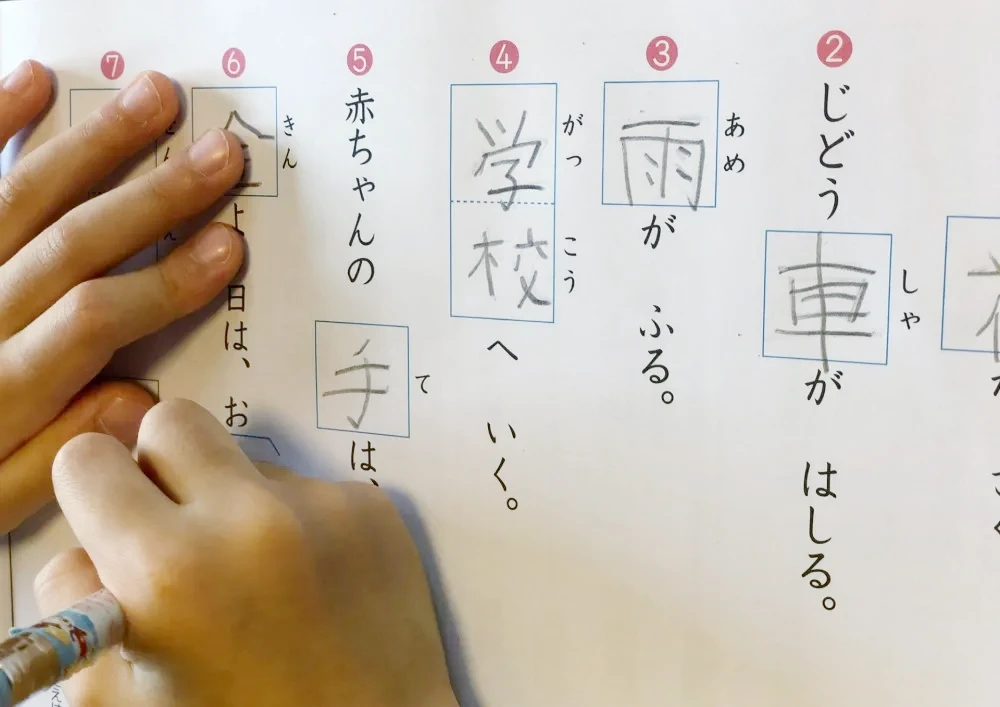
Difficult Japanese sentences for people not from Japan: 3 examples
People not from Japan often say that Japanese is hard to understand and to learn. Is it true?
Thinking about it deeply, we will realize that Japanese proper, kind minds and consideration actually make the difficulty, and more people feel Japanese is hard.
This time, we will think about the ambiguous Japanese phrase with some sentences.
An episode
It is the episode when I was a Japanese teacher in University at Beijing.
One day, when winter was over and it was starting to get a little warmer, a class committee member from the Japanese language department talked to me. He said, “we are all going to go on a flower viewing picnic so let’s go together.” In Beijing, there are some famous cherry blossoms viewing spots. I was happy as a Japanese that Chinese students told me they wanted to enjoy a symbol of Japan, Sakura (Cherry blossoms). And it is fun to enjoy viewing Sakura and drinking with students outside of our classroom. However, at that time, my health was not good and viewing cherry blossoms was not new for me because I did it annually.
Therefore, I just said to him,
“Viewing cherry blossoms? Umm, I’ll think about it…”
After that, a student told me “The day of viewing cherry blossoms is next Sunday.” And when I officially told him that I wasn’t going, he looked disappointed and a little suspicious.
Japanese phrases that is hard to understand
A few days later, the students talked to me again. “Our teacher, G taught me when Japanese say, ‘I’ll think about it,’ it means ‘no.’”
At the moment, I feel “Oh shoot!” Because I carelessly said, “I’ll think about it,” I ended up giving the students expectations. I said to him hastily, “Uhhh, yes. Most of the time…” “Why?” The students continued this conversation. I felt it was a good opportunity for him to learn Japanese. Then, I said to him, “Because, we feel it is not good to answer ‘NO’ immediately when someone invites us, don’t you?” He said, “Why?” He may not have understood what I said. How about you? What do you think? If I say, “I’ll think about it,” the other person will take it to mean “I’ll go.” So should I say “I’m not going” in such a case?
How Japanese people perceive
Japanese people do not feel so most of the time. If I answered “I won’t go” immediately to the invitation from my students, the answer is にべもそっけもない (nibemosokkemonai). “にべもない (Nibemonai)” means heartless and “そっけもない (sokkemonai)” means no respect for the other person. That is, “I won’t go” is an inhuman answer that shatters students’ expectations all at once. Japanese people feel so that’s why I answered “I’ll think about it” unconsciously.
In general, people in China and Europe and America have a habit of valuing their own ideas and speaking clearly. It is valuable for them to tell what they think clearly rather than how other people feel. On the other hand, Japanese people usually talk to each other with careful consideration, such as thinking about what the other person will think if they say something like this, and whether they might dislike it. We feel that if we turn down the other person’s invitation on the spot, we will be disappointing the other person.
Softer expression
We can see Japanese thoughtfulness or consideration in various conversations. Let’s see the example conversation when you are invited out for a drink from your friends.
A: “Would you like to go for a drink?”
B: “Oh nice! How about C?”
C: “I am just going to….”
If Japanese people want to go there, they answer “OK” clearly. But when they say no, they do not answer clearly, and they use ambiguous expressions. They feel sorry for the person who invited them.
Moreover, we can see similar phrases in situations where people say what they think or criticize other people’s opinions, such as meeting. For example,
A: “I think August 1st is the best day to release our new products. How is it, everyone?”
B: “I agree!”
C: “I feel it may be early…? A little bit…”
If you agree with the idea like B, it is no problem. However, C does not disagree A’s opinion clearly. C uses ambiguous expressions such as “a little bit,” “it may be” and “I feel.” This is an expression of the consideration that A would feel uncomfortable if he directly opposed A’s proposal. This is an expression of the consideration that A would feel uncomfortable if C directly opposed A’s proposal.
In particular, this expression is often used to people who require consideration such as superior and guests (foreigners are also guests!). Because people do not be rude. It can be said that these are words that clearly reflect the sensibilities of the Japanese people.
Japanese culture that values “和 wa”
When people ask something, they basically expect that they can get the answer “yes.” So, if they get “no,” they are disappointed or feel bad. Therefore, Japanese people believe that it is necessary to be considerate and think of other people’s feelings, and to be in harmony with others.
It can be said that this tendency is particularly strong among Japanese people. This is the age-old wisdom of life that allows us to live comfortably with many people in Japan, an island. They do not say their thoughts clearly and strongly, they do not say “no.” They do communicate kindly and nicely with consideration. It is the culture of 和 wa: harmony that Japanese people think other people’s feelings.
It is not easy to learn the language of any ethnic group in the world. This is because each language has a tradition and culture of the tribe in their background. Would you like to learn Japanese and the Japanese culture behind it at TCJ?
SHARE ON



- Japanese for Expats
- International Student Visa Program
- Job Hunting in Japan
- Japanese Language School
- Email Phrases
- Business Japanese
- Keigo
- Japanese For Executives
- Japanese Manners
- Learn Japanese
- Japan Trivia
- Basic Japanese
- Japanese Culture
- Japanese Beginner
- Japanese Advanced
- Japanese Greetings
- Japanese Phrases
- Online Lesson
- JLPT
- Business & Daily Life Japanese Program
- ビジネス日本語
- Interview
- 日本語上級者
- Japanese tips
- Kanji
- Want to Learn Japanese
- Private Lesson
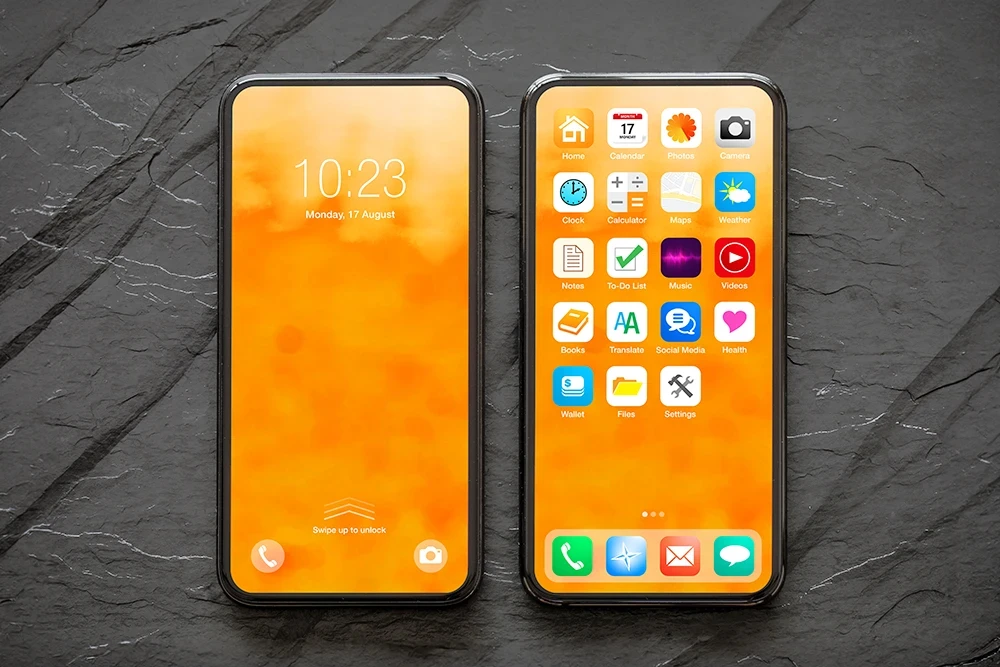
4 Must-Have Apps for Everyday Life in Japan
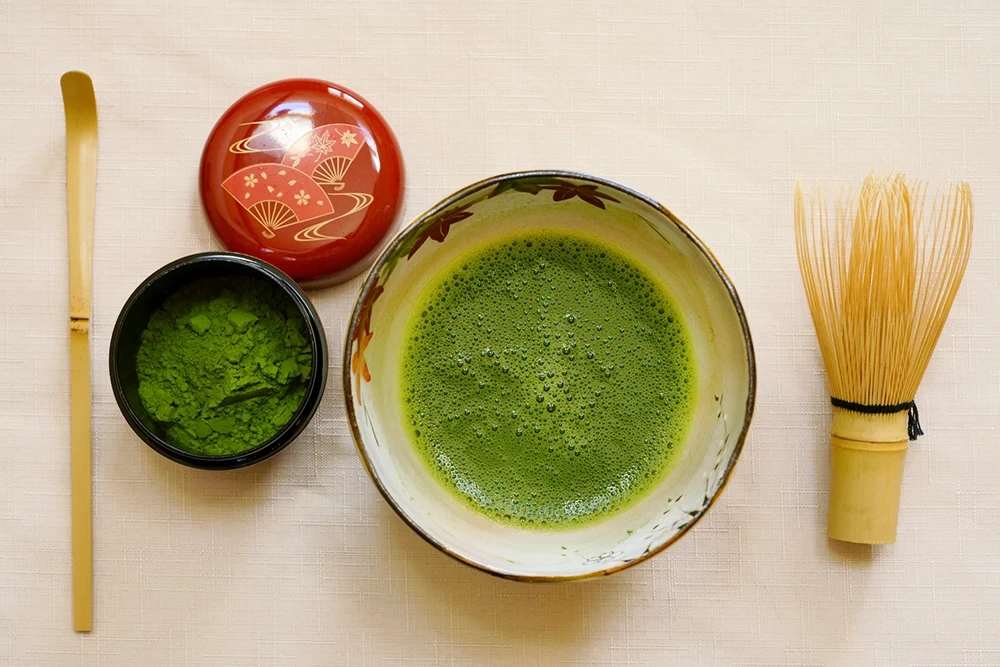
Japan’s Iconic 抹茶(Matcha): Uncovering Myths and Reality