


Benefits of attending a Japanese school in Japan

Attending a Japanese school in Japan is one of the best ways to improve your Japanese skills and experience life in Japan firsthand as it allows you to be surrounded by like-minded students, passionate instructors, and Japanese culture. This article walks you through some of the benefits of attending a Japanese school in Japan in person.
Choosing whether or not to attend a Japanese language school in Japan is an important decision. It is important to think about your goals and how a Japanese language course can help you to achieve them before you make the commitment. For a more detailed discussion about how to set and reach your Japanese learning goals, read our blog about how to set achievable language learning goals.
Completing a Japanese language course can unlock opportunities for you in Japan and worldwide. It can benefit your career, it can make you more confident, and it can give you the ability to communicate with people who you could not do so with before.
Immersive learning environment: experiencing Japanese culture firsthand
One of the major benefits of attending a Japanese language school in Japan is the immersive experience both in and beyond the classroom. By attending lessons in person, you can be surrounded by Japanese culture and language.
Language is an element of culture, and Japanese is no different. Certain words will not have a direct translation in your native language, and the best way to learn these words is to experience them for yourself. Take, for example, the word 花見 (hanami): this word translates directly to English as ‘flower viewing’ or ‘cherry blossom viewing’, but even these translations are not meaningful by themselves in English. The real meaning of hanami remains hidden unless you know about the Japanese tradition of viewing cherry blossoms in the early spring, usually with friends or coworkers.
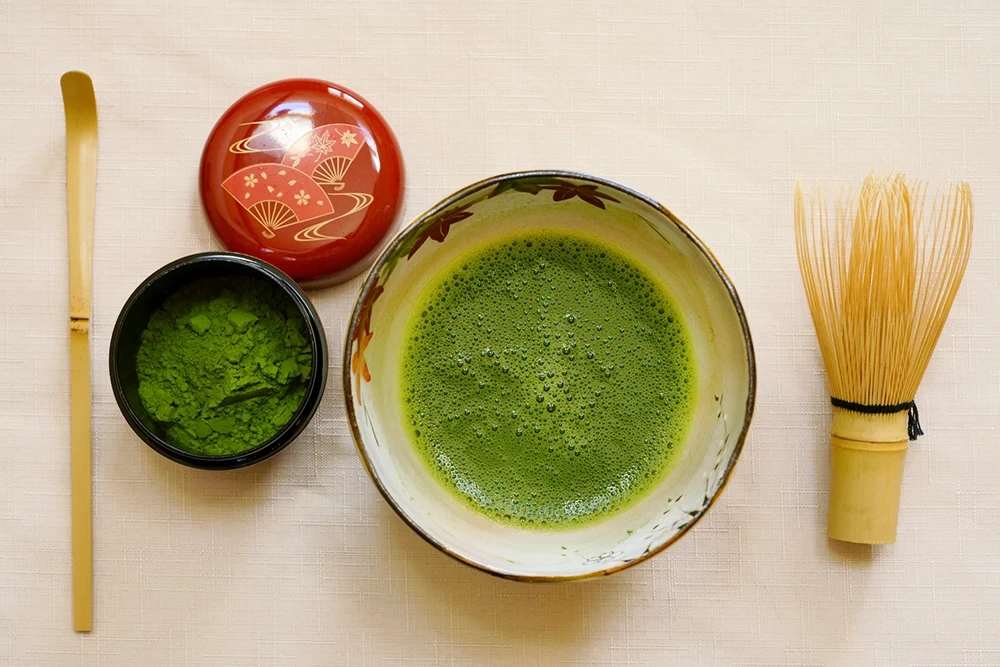
By attending a Japanese school in Japan you give yourself the opportunity to take part in traditions like hanami, allowing you to learn the words through your experience. At TCJ, we organize trips and events outside of regular classes (such as a tea ceremony visit) and these events can serve as experiential lessons.
Of course, being surrounded by a new culture can be as overwhelming as it is exciting, and culture shock can be challenging to overcome. Speaking to your Japanese teachers and asking them about Japanese culture is a great way to supplement your knowledge and understand the cultural differences between Japan and your home country.
TCJ has a student visa program, and students who want to live in Japan while they study do not have to navigate the visa process alone. We have also written articles with advice for foreign residents in Japan.

Comprehensive Japanese learning: covering all 4 language skills
Students at Japanese language schools practice all four of the essential language skills: reading, writing, listening, and speaking. All four will receive the appropriate level of attention because the curriculum at a Japanese language school is created by experienced instructors.
Without the support of professional teachers, students risk practicing their skills unequally, which can lead to knowledge gaps and other challenges later in their language learning journey. Students opting for self-study often find it difficult to practice their speaking and writing skills, for example. Students who study only for their JLPT certification can also fall behind in those areas because the JLPT does not test writing and speaking.
TCJ offers a wide variety of private and group lessons. Whether you want private lessons tailored to your abilities and schedule or group lessons with like-minded classmates, there are courses available that will help you achieve your language learning goals.
Building relationships in Japan: friendships, networking opportunities, and career advancement
Classmates can be one of the most valuable parts of your Japanese language school experience. They share your goal of learning Japanese. In class, they are your teammates, working with you to achieve that same goal.
And they will not be your classmates forever. The people you meet in Japanese school can become your friends, study partners, or even professional acquaintances. Making connections in school with people who have similar interests and goals is a great way to expand your network. Japanese language schools may also host networking events and job fairs to set their students up for success after graduation.
Making connections in class and at these events can open new doors for your professional advancement and proficiency in Japanese can also open doors to career opportunities both in Japan and globally.
If you plan on finding a job in Japan, TCJ has courses focusing on business Japanese. We also have advice on the topic in how to ace the job interview in Japan.

Qualified and experienced Japanese teachers
A great Japanese language school teacher has the power to make their classes effective, fun, and motivating. Plus, they create inclusive, comfortable classrooms to facilitate learning, and they give student advice that is applicable even outside of the classroom. This might be concerning career development or cultural norms.
Teachers with much experience and high-quality certifications are one of the major benefits of attending a Japanese school in Japan. Instructors at TCJ must complete a rigorous training course to teach classes, you can learn more about that program here.
Each teacher’s journey is different, shaped by their own unique passions and motivations. We wrote an article interviewing three of TCJ’s teachers that explores the paths they took to get to TCJ.
Making a decision on a Japanese language school
Students that attend a Japanese language school in person in Japan can immerse themselves in Japanese culture, practice all four Japanese language skills with certified instructors, and build professional and personal relationships with fellow students and school staff.
It’s important to pick the right language school for you, of course. Whether you’re a newcomer to Japan or already working here, we have written articles to help you make that decision.
To learn more about the different courses that we offer here at TCJ, visit our course page where you can find detailed information about the different programs we offer.

SHARE ON



- Japanese tips
- Kanji
- Want to Learn Japanese
- Private Lesson
- Japanese for Expats
- International Student Visa Program
- Job Hunting in Japan
- Japanese Language School
- Email Phrases
- Business Japanese
- Keigo
- Japanese For Executives
- Japanese Manners
- Learn Japanese
- Japan Trivia
- Basic Japanese
- Japanese Culture
- Japanese Beginner
- Japanese Advanced
- Japanese Greetings
- Japanese Phrases
- Online Lesson
- JLPT
- Business & Daily Life Japanese Program
- ビジネス日本語
- Interview
- 日本語上級者

4 Must-Have Apps for Everyday Life in Japan
Japan’s Iconic 抹茶(Matcha): Uncovering Myths and Reality