コロケーションとは?日本語学習に便利なコロケーション

I am often asked this question by people who study Japanese language, “Japanese is difficult, and it has so many words that I cannot memorize them. What is a good way to memorize them?” There are various ways to memorize words. One that has recently been said to be effective is the method of “memorizing words using collocations.”
“Collocation” is not familiar to us, is it? This time, we will understand about “collocation.”
What is Collocation?
Before the explanation of collocation, please answer these easy quizzes below.
Which is correct, A or B?
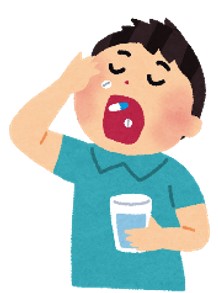
(1) 薬 kusuri
A:を食べる wo taberu B:を飲む wo nomu
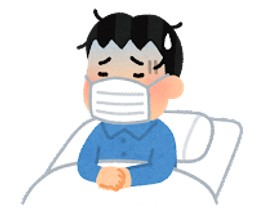
(2)風邪 kaze
A::をひく wo hiku B : をする wo suru
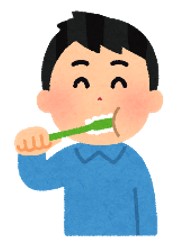
(3)歯をha wo
A:洗う arau B:みがく migaku
The answers are these.
(1) B: 薬を飲む。Kusuri wo nomu.
(2) A: 風邪をひく。 Kaze wo hiku.
(3) B: 歯をみがく。 Ha wo migaku.
(1) To take medicine.: “薬を飲む Kusuri wo nomu” is a set phrase. Japanese people do not say “薬を食べる Kusuri wo taberu” and “薬を入れる Kururi wo ireru.” “薬 kusuri” and “飲む nomu” are used together.
(2) To catch a cold.: “風邪 kaze” and “ひく hiku” are used together. So, we do not say “風邪をする Kaze wo suru” and “風邪がある Kaze ga aru.”
(3) To brush one’s teeth.: We express “歯をみがく Ha wo migaku” in Japanese. We do not say “歯を洗う Ha wo arau.” “歯 ha” and “みがく migaku” are used together.
These combinations of words that are often used together are called “collocation.”
Let’s practice.
(1) What words can be used with “テレビ terebi: TV”?
テレビ を 見る Terebi wo miru
テレビ を つける Terebi wo tsukeru
テレビ を 消す Terebi wo kesu
(2) What words can be used with “本 hon: book”?
本 を 読む Hon wo yomu
本 を 買う Hon wo kau
本 を 借りる Hon wo kariru
Do you know other Japanese expressions with “TV” or “book”?
テレビ を 開ける Terebi wo akeru
テレビ を 閉める Terebi wo shimeru
本 を 食べる Hon wo taberu
本 を 聞く Hon wo kiku
The Reason Why Collocation is Effective to Learn Japanese
Have you experienced a situation where you do not know how to say something in Japanese when you want to say something? You were panicked and felt “Oh, I don’t know how to say this in Japanese?” Right? Have you ever tried your best to talk but felt disappointed because you couldn’t understand the correct way to say something and couldn’t get it across to the other person? Have you ever been shocked that you cannot tell your thoughts when you tried your best to talk but you do not know how to say?
By using collocations effectively, you will be able to convey what you want to say in a short, simple, and easy-to-understand manner. Collocation is a natural expression.
Moreover, we can memorize a lot of words by using collocations. For example, rather than memorizing the two words “本 hon: book” and “読む yomu: read” separately, it is easier to memorize the two words together such as “本を読む hon wo yomu.” Even if you do not know the meanings by just hearing “降る huru: fall” and “止む yamu: stop,” if you use them with “雨 ame: rain,” you can understand the meanings, such as “雨が降る ame ga furu” and “雨が止む ame ga yamu.”
And, by learning words using collocations, you will be able to understand the difference in meaning between words that are similar but have different meanings.
For example, the verbs “向かう mukau” and “向く muku” are difficult to understand the differences of meanings.
“向かう mukau”
駅 に 向かう eki (station) ni mukau
西 に 向かう nishi (east) ni mukau
会社 に 向かう kaisha (workplace) ni mukau
Looking at the example sentences, we can get the meaning, “going towards a place.”
“向く muku”
前 を 向く mae (front) wo muku
上 を 向く ue (up) wo muku
友だちのほう を 向く tomodachi (friends) no hou wo muku
We can see that “向く muku” means to “face the direction, not to move.”
Collocations make it easier to understand the difference in meaning between words that are similar but have different meanings.
Examples of collocations
We will introduce you to some examples of collocations that are often used in daily life.
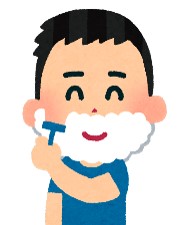
ひげ を 剃る hige wo soru
We do not say “ひげを切る hige wo kiru.” Shaver is “カミソリ kamisori” in Japanese.
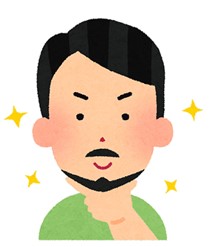
ひげ を 生やす hige wo hayasu
ひげ を 伸ばす hige wo nobasu
Recently, many Japanese people grow out their beards. If you shave in the morning, but your beard grows longer in the evening, it is said “ひげ が 伸びる hige ga nobiru.”

髪 を 乾かす kami wo kawakasu
We express the situation, “髪を乾かす kami wo kawakasu” or “ブローする buro suru.” Blow-dryer is “ドライヤー doraiya” in Japanese.
Others, “to do up one’s hair.”
ヘアスタイル を 整える heasutairu wo totonoeru
髪型 を 整える kamigata wo totonoeru
ヘアスタイル を セットする heasutairu wo setto suru

クリーム を 塗る kuri-mu wo nuru (to apply cream)
手/顔/足 に クリーム を 塗る Te/kao/ashi ni kuri-mu wo nuru (to apply cream to hands/ face/feet)
口紅 を 塗る kuchibeni wo nuru (to apply lipstick)
日焼け止め を 塗る hiyakedome wo nuru (to apply sunscreen)
Others,
パンにバターを塗る pan ni bata- wo nuru (to butter the bread)
壁にペンキを塗る kabe ni penki wo nuru (to paint the wall)
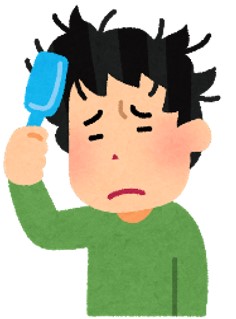
寝ぐせ が つく Neguse ga tuku
It means “to have a bed head.”
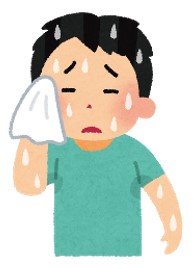
汗 を かく Ase wo kaku
It means “to get sweaty.”
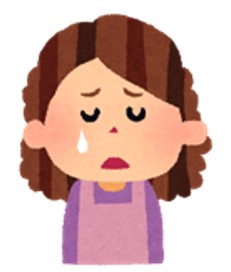
涙 が 出る Namida ga deru
Japanese has many expressions to cry.
涙 が 流れる Namida ga nagareru
涙 を 流す Namida wo nagasu
涙 が こぼれる Namida ga koboreru
涙 を こぼす Namida wo kobosu
涙 が にじむ Namida ga nijimu
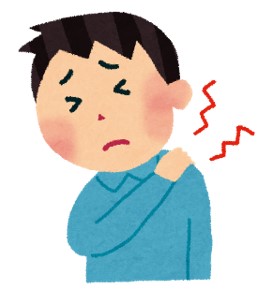
肩 が こる Kara ga koru
This refers to stiffness and pain in the shoulders caused by staring at a computer or doing the same work for a long time.
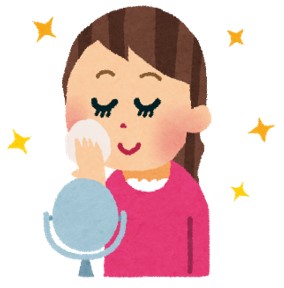
化粧 を する Kesho wo suru (to get makeup)
メイク を する keiku wo suru (to get makeup)
化粧 が くずれる Kesho ga kuzureru (makeup comes off)
化粧 を なおす Kesho wo naosu (to touch up makeup)
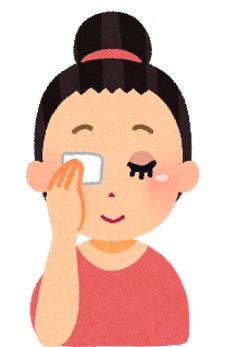
化粧 を おとす Kesho wo otosu (to remove makeup)
メイク を おとす meiku wo otosu (to remove makeup)
クレンジングする kurenjingu suru (to use cleansing cream to remove makeup)
From teachers of TCJ
“I cannot tell everyone what I want to say.” “Everyone cannot understand my thoughts at conferences.” Do you have these kinds of troubles? In order to reduce these stresses, it is a good way to learn a lot of ways to say things shortly and easily. In your lesson, please try to speak in the way you think at first. After hearing you, teachers will teach you a much better way to tell them shortly and easily. Let’s experience “Japanese that people can understand more” in TCJ lessons.

SHARE ON