

TCJ Blog
- Japanese Greetings
- Japanese Phrases
- Online Lesson
- JLPT
- Business & Daily Life Japanese Program
- ビジネス日本語
- Interview
- 日本語上級者
- Japanese tips
- Kanji
- Want to Learn Japanese
- Private Lesson
- Japanese for Expats
- International Student Visa Program
- Job Hunting in Japan
- Japanese Language School
- Email Phrases
- Business Japanese
- Keigo
- Japanese For Executives
- Japanese Manners
- Learn Japanese
- Japan Trivia
- Basic Japanese
- Japanese Culture
- Japanese Beginner
- Japanese Advanced

Are There Actually Three Types of Japanese Characters?
Explore the three different types of characters in Japanese: hiragana, katakana, and kanji. This article explains why these three writing systems exist, how they are used differently, and how they function together. How many kanji exist, and how many are commonly used in daily life by Japanese people? As a foreign learner, how many kanji should you know? Is it true that each kanji has two different types of readings? This article answers all your questions about the Japanese writing system.
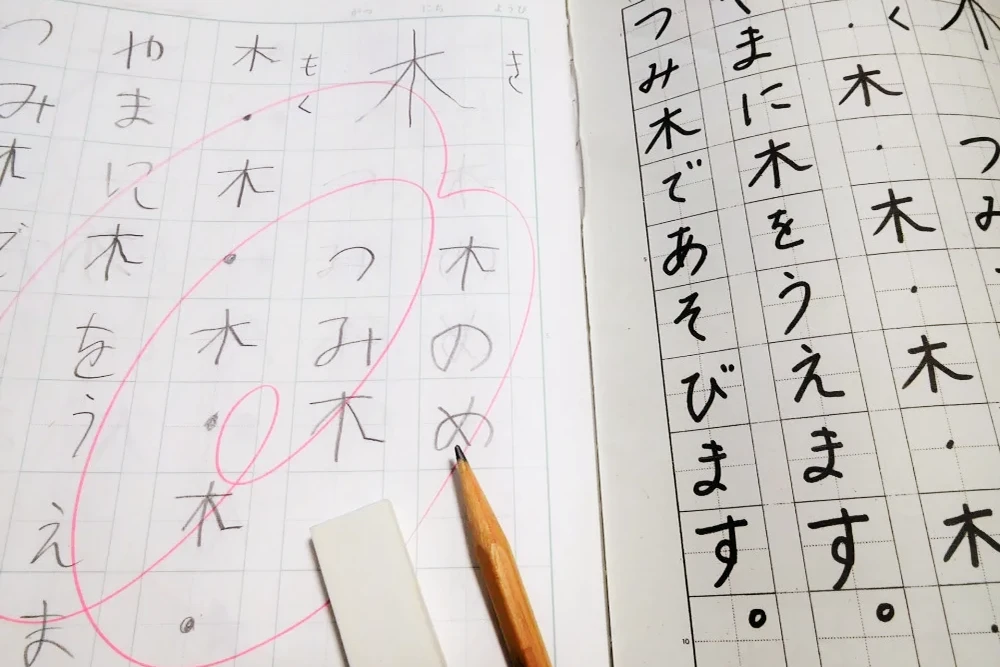
Let’s Learn Kanji (Chinese Characters) – Interesting Kanji – – Play with Kanji-
Kanji is hard but it is interesting if you come to know it little by little. More Kanji you memorize, the more vocabulary you can use. And more Japanese phrases you can read. Moreover, even if you find words you do not know, you will be able to understand its meaning from the kanji used in that word.

Grammar Explained by Professionals: Everything You Need for JLPT N4
For Japanese learners who struggle with grammar or find it difficult to improve their scores, this article provides clear and careful explanations from the perspective of a professional Japanese teacher. It brings together essential grammar points from official textbooks, introduces effective study methods and recommended learning materials, and offers a concrete study plan to help learners successfully pass the JLPT N4.

Pass the JLPT N4: Learning Methods to Strengthen Reading Comprehension
This guide explains the Japanese language skills required for the JLPT N4 reading comprehension section, provides an overview of the exam, and estimates the study time needed to pass. It also introduces specific reading strategies and practical training methods to improve your accuracy. Furthermore, it summarizes how to choose effective study materials and recommends textbooks, offering a comprehensive guide to efficient study methods designed to help you pass the exam.

Introduce Yourself in Japanese! Recommended Phrases to Use
You will come across many opportunities to introduce yourself—whether meeting someone for the first time, at work, school, or your child’s school or daycare. I believe you would want to at least handle your first introduction in Japanese. Self-introductions can be simple if you remember a few key phrases. Challenge yourself to introduce yourself in Japanese!