

TCJ Blog
- Japanese For Executives
- Japanese Manners
- Learn Japanese
- Japan Trivia
- Basic Japanese
- Japanese Culture
- Japanese Beginner
- Japanese Advanced
- Japanese Greetings
- Japanese Phrases
- Online Lesson
- JLPT
- Business & Daily Life Japanese Program
- ビジネス日本語
- Interview
- 日本語上級者
- Japanese tips
- Kanji
- Want to Learn Japanese
- Private Lesson
- Japanese for Expats
- International Student Visa Program
- Job Hunting in Japan
- Japanese Language School
- Email Phrases
- Business Japanese
- Keigo

What Parents Should Know: All About Japanese Language Education for Children
To parents raising children in Japan — do you ever have concerns or questions about your child’s Japanese language education? In this article, we will explore the importance of learning Japanese for children, the common challenges they may encounter, practical approaches that can be implemented at home, and valuable advice for parents. The key is here: insights to help open the door to your child’s future.

Engage in Japanese Conversation: Useful Expressions for Shopping
Do you enjoy shopping? Where do you usually go? Today, we’ll explore useful Japanese phrases to help you understand what others say and express what you need while shopping.

Japanese vs. English: The Top 3 Differences You Should Know
The differences between Japanese and English go beyond vocabulary and pronunciation — they extend to the very structure and ways of thinking that often surprise learners. In this article, we’ll dive into three major differences and explore how each language shapes our perception and culture. By understanding these contrasts, your Japanese learning journey will deepen and become even more fascinating, opening the door to a whole new worldview.
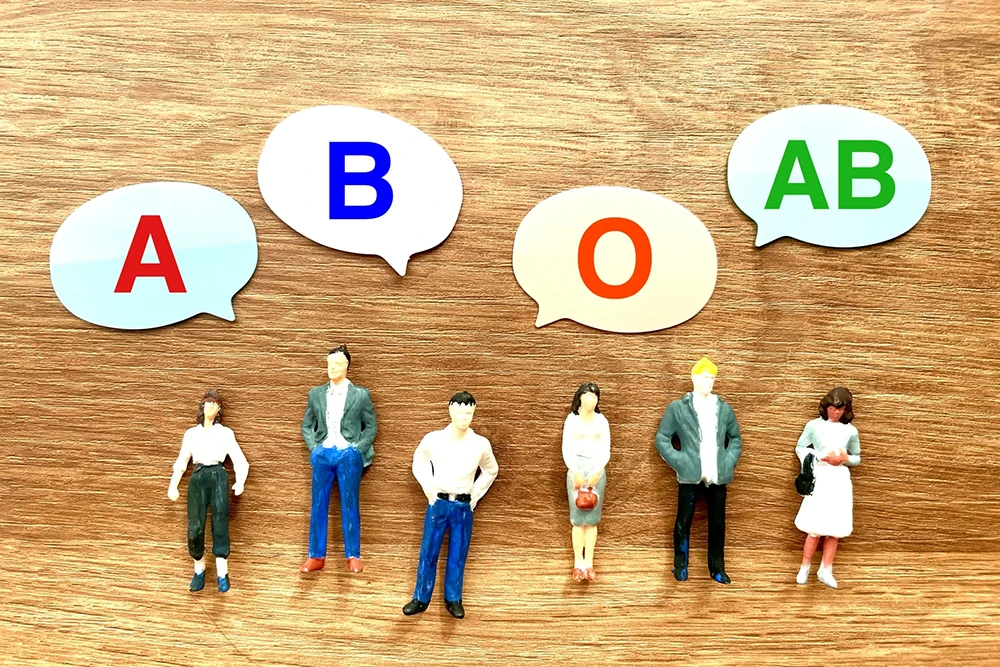
Why Are Japanese People So Interested in Blood Types? The Facts Behind Blood Type Personality Tests and Fortune Telling
In Japan, blood types are commonly brought up in conversations. A lot of people tend to categorize characteristics based on blood types, such as “A person with blood type A tends to be like…”. Today, we will explore why this belief is so popular. Read on to find out the reason!

3 Must-Watch Anime for Learning Japanese
Do you enjoy anime? While studying with textbooks is an effective and essential method for learning Japanese, when you start to feel tired, watching anime can offer a pleasant and enjoyable way to continue your studies. Today, we’ll explore three anime that are perfect for learning Japanese. Improve your Japanese skills while enjoying these must-watch shows!