

TCJ Blog
- Japanese For Executives
- Japanese Manners
- Learn Japanese
- Japan Trivia
- Basic Japanese
- Japanese Culture
- Japanese Beginner
- Japanese Advanced
- Japanese Greetings
- Japanese Phrases
- Online Lesson
- JLPT
- Business & Daily Life Japanese Program
- ビジネス日本語
- Interview
- 日本語上級者
- Japanese tips
- Kanji
- Want to Learn Japanese
- Private Lesson
- Japanese for Expats
- International Student Visa Program
- Job Hunting in Japan
- Japanese Language School
- Email Phrases
- Business Japanese
- Keigo

Same Reading, Different Meaning — A Guide to the Japanese Homonyms
When learning Japanese, learners often encounter words that have the same pronunciation but different kanji and meanings. For example, the word kami may sound the same, yet its meaning can vary greatly. This often leads learners to wonder how native speakers distinguish between them in conversation. Japanese contains a large number of homonyms—words that share the same pronunciation but have different meanings. As a result, this can be one of the most challenging aspects of the language for learners. A common question is how Japanese speakers determine which meaning is intended. In practice, they rely on context, surrounding words, and the situation in which the expression is used. In this article, several representative homonyms are introduced, along with explanations of their meanings and how native Japanese speakers distinguish them, supported by specific example sentences.

Unique Features of Japanese Gestures: Similarities and Differences Across Cultures
For those considering studying in Japan, attending a language school, or seeking employment in the country, understanding Japan’s unique gestures is essential—not just the language itself. During time spent in Japan, it becomes apparent that these gestures reflect distinctive cultural norms. Hand and body movements can vary significantly depending on language and cultural background. This article explores commonly used gestures among Japanese speakers and highlights how they differ across cultures. We hope this article will support your daily life in Japan.

JLPT N5 Explained: Level Overview and Exam Content
In this article, we provide an overview of JLPT N5, the entry-level Japanese language exam, based on the latest data and exam trends. It covers the proficiency required for this level, details of the question format, and the benefits of passing the test. Furthermore, key points for passing that are often overlooked when studying alone are explained from a Japanese teacher’s perspective.

Japanese Internet Slang Explained:“Kusa (w),” “Oshi,” and “Numa” — Japanese You Won’t Find in Textbooks
In what situations do people encounter the Japanese language? Many people learn Japanese through social media or video content, especially if they do not live in Japan or have few opportunities to speak the language. In fact, some of my students mention that they use YouTube as a resource for studying Japanese. Along these lines, the word “kusa” (grass) can often be seen popping up throughout the comment sections. However, it does not actually refer to grass. It typically appears when someone makes a joke or when something unexpected happens, which can be confusing for those encountering it for the first time. Expressions like this rarely appear in textbooks, even though they are widely used on social media every day. In this article, a Japanese teacher introduces three of the most commonly encountered pieces of Japanese internet slang, explaining their meanings and origins. Let’s take a closer look together, starting with expressions that may already feel familiar from online spaces.
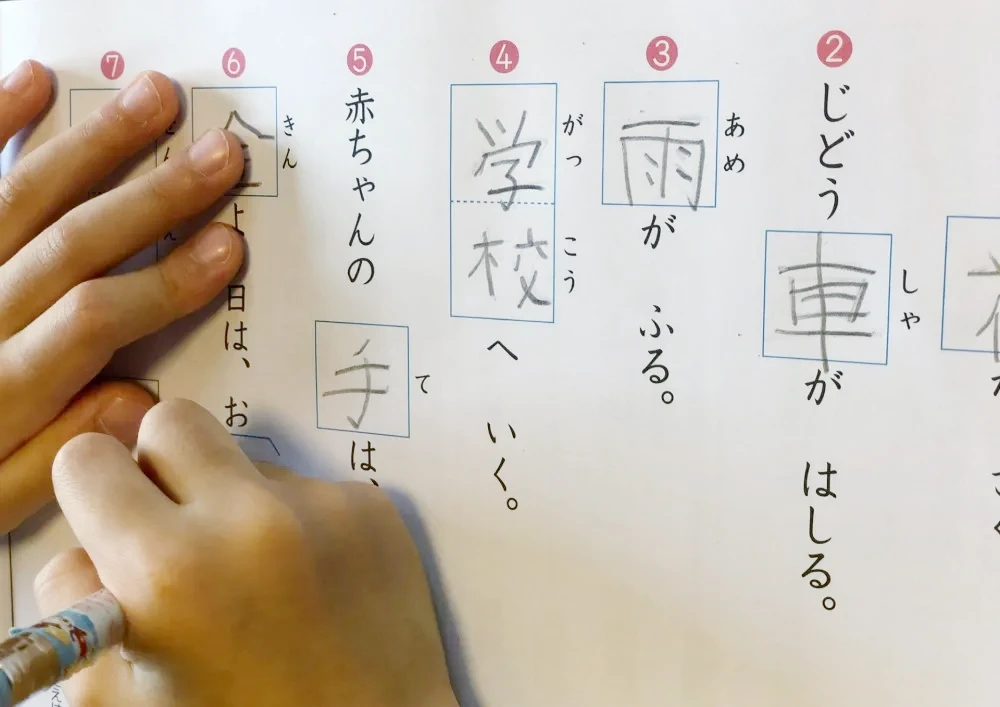
Difficult Japanese sentences for people not from Japan: 3 examples
People not from Japan often say that Japanese is hard to understand and to learn. Is it true? Thinking about it deeply, we will realize that Japanese proper, kind minds and consideration actually make the difficulty, and more people feel Japanese is hard. This time, we will think about the ambiguous Japanese phrase with some sentences.