

TCJ Blog
- Japanese For Executives
- Japanese Manners
- Learn Japanese
- Japan Trivia
- Basic Japanese
- Japanese Culture
- Japanese Beginner
- Japanese Advanced
- Japanese Greetings
- Japanese Phrases
- Online Lesson
- JLPT
- Business & Daily Life Japanese Program
- ビジネス日本語
- Interview
- 日本語上級者
- Japanese tips
- Kanji
- Want to Learn Japanese
- Private Lesson
- Japanese for Expats
- International Student Visa Program
- Job Hunting in Japan
- Japanese Language School
- Email Phrases
- Business Japanese
- Keigo

All About Japanese Verbs
Verbs are key to learning Japanese. This article covers the essential concepts in an easy-to-follow way, including the categories of Japanese verbs, their complex conjugation rules, how tense works, and aspect. By gaining a deeper understanding of how Japanese verbs function, you can develop more natural and accurate Japanese expression skills.
Express Your Feelings in Japanese
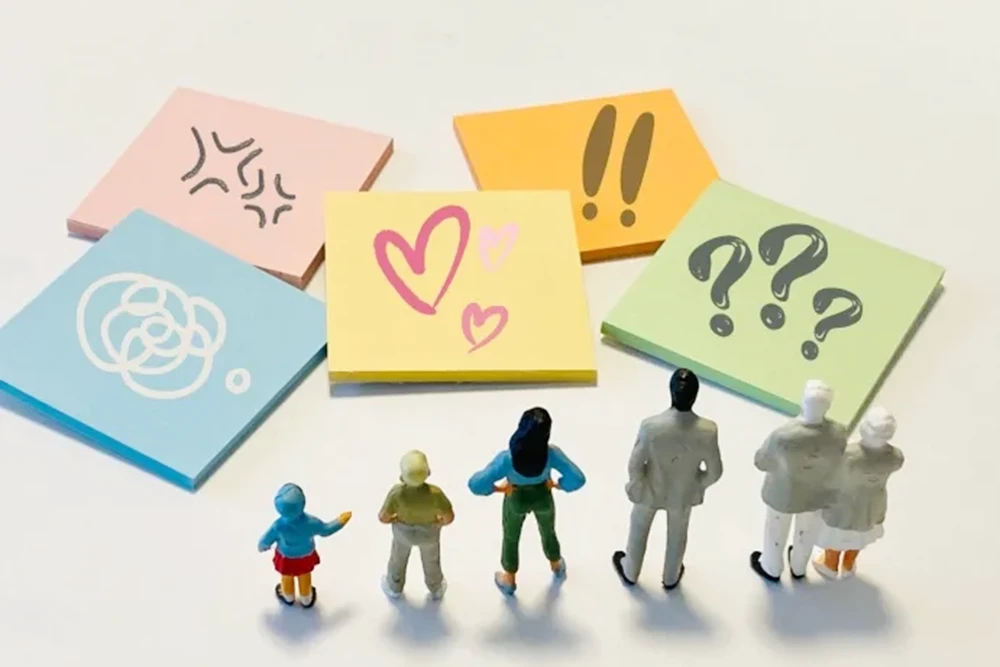
When receiving a gift or when someone congratulates you, expressing your feelings—such as saying, “I’m so glad” in addition to “Thank you”—can make your response even more heartfelt. Many people may find themselves wondering, “How can I express this in Japanese?” when trying to convey their emotions.

Aiming for the JLPT N3: Are You Confident with Your Grammar So Far?
The JLPT N3 is an important level, as it marks the transition from beginner to intermediate Japanese. This article explains how N3 differs from previous levels by organizing its difficulty and exam structure, while also reviewing sample grammar questions. At this level, learners are required to understand context and the speaker’s intentions, rather than simply memorizing grammar rules. The article also introduces effective study perspectives and learning strategies, with a focus on review, and explains how preparation for the JLPT N3 at TCJ can help learners succeed.

Useful! Simple! Various Japanese phrases
This time, we will introduce some simple Japanese phrases that can be used when asking for directions, when shopping, and when eating out.

Are There Actually Three Types of Japanese Characters?
Explore the three different types of characters in Japanese: hiragana, katakana, and kanji. This article explains why these three writing systems exist, how they are used differently, and how they function together. How many kanji exist, and how many are commonly used in daily life by Japanese people? As a foreign learner, how many kanji should you know? Is it true that each kanji has two different types of readings? This article answers all your questions about the Japanese writing system.