
日本で夏によく見られる「ニホントカゲ」と「ニホンカナヘビ」

When discussing Japanese lizards, many Japanese acquaintances are likely well-acquainted with them, as they evoke nostalgic memories from their childhood. Having been born and raised in a northern coastal city in China, I must confess that I never had the opportunity to encounter wild lizards during my formative years. However, since arriving in Japan for my studies, especially during the summertime, I have frequently come across these petite and agile reptiles. Initially, I mistakenly identified them as geckos; nevertheless, after conducting thorough research on Google, I discovered that they are indeed indigenous Japanese lizards. Today, I am delighted to share with you two frequently encountered species: the “Niho Tokage” and the “Niho Kanahébi.”
Japanese leopard lizard
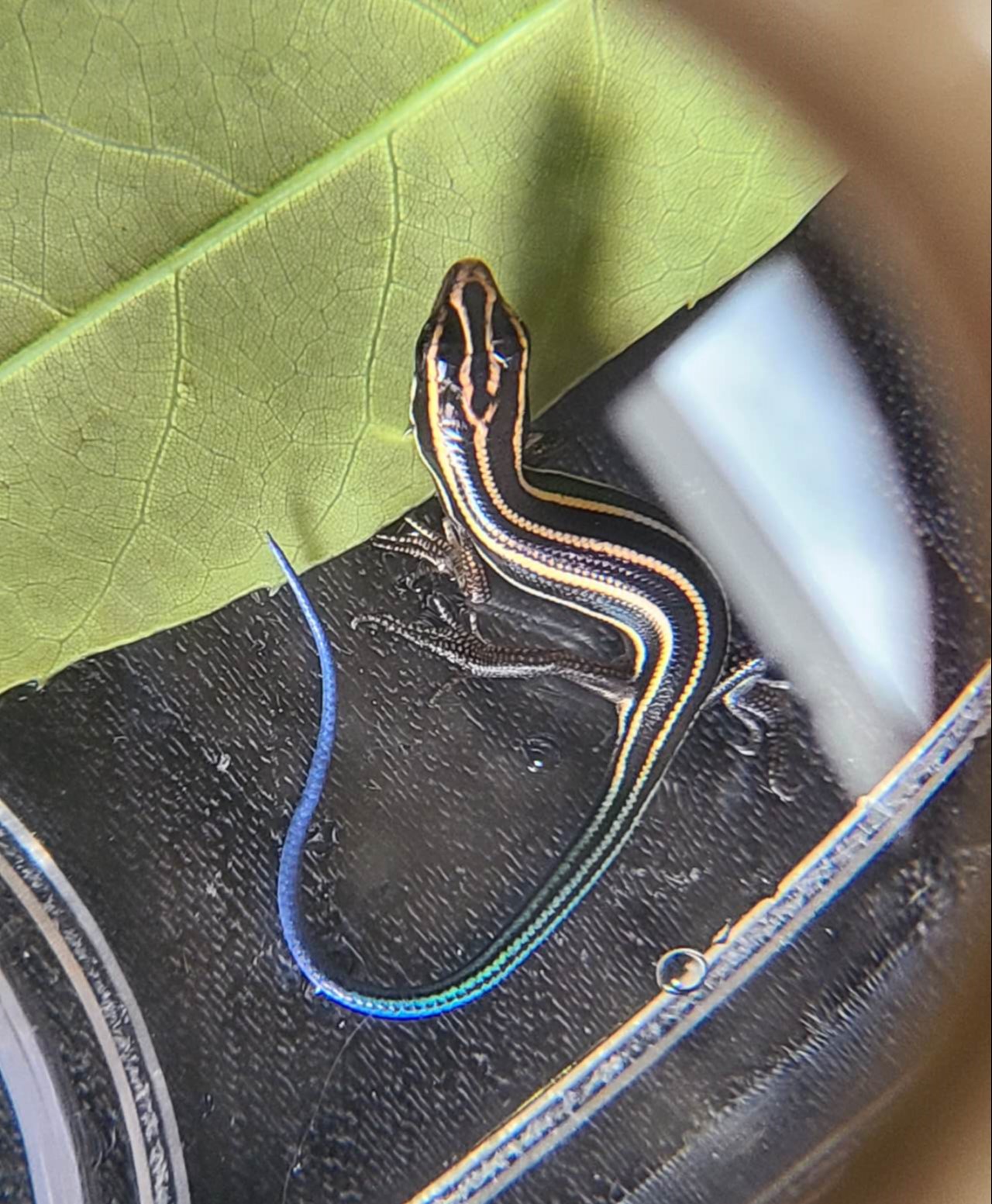
The “Niho Tokage,” a prevalent reptilian species in Japan, measures approximately 10 to 20 centimeters in length and predominantly inhabits Japanese forests, grasslands, and verdant urban surroundings. As implied by its name, this species is unique to Japan, constituting an integral part of its ecosystem. The “Niho Tokage” typically exhibits a brown or grayish-brown hue, occasionally adorned with red or orange spots. This intricate coloration and pattern have evolved to expertly blend with the surrounding environment, serving as a form of protective camouflage. Active during daylight hours, these nimble creatures dart across the terrain and ascend tree branches with remarkable swiftness, preying upon insects and other diminutive fauna. They are particularly prolific during the scorching summer months and can be observed in Japan’s natural reserves, parks, and cultivated gardens. Revered for their ecological significance, the “Niho Tokage” captivates nature enthusiasts and holds a cherished place among Japan’s diverse wildlife.
Japanese rat snake

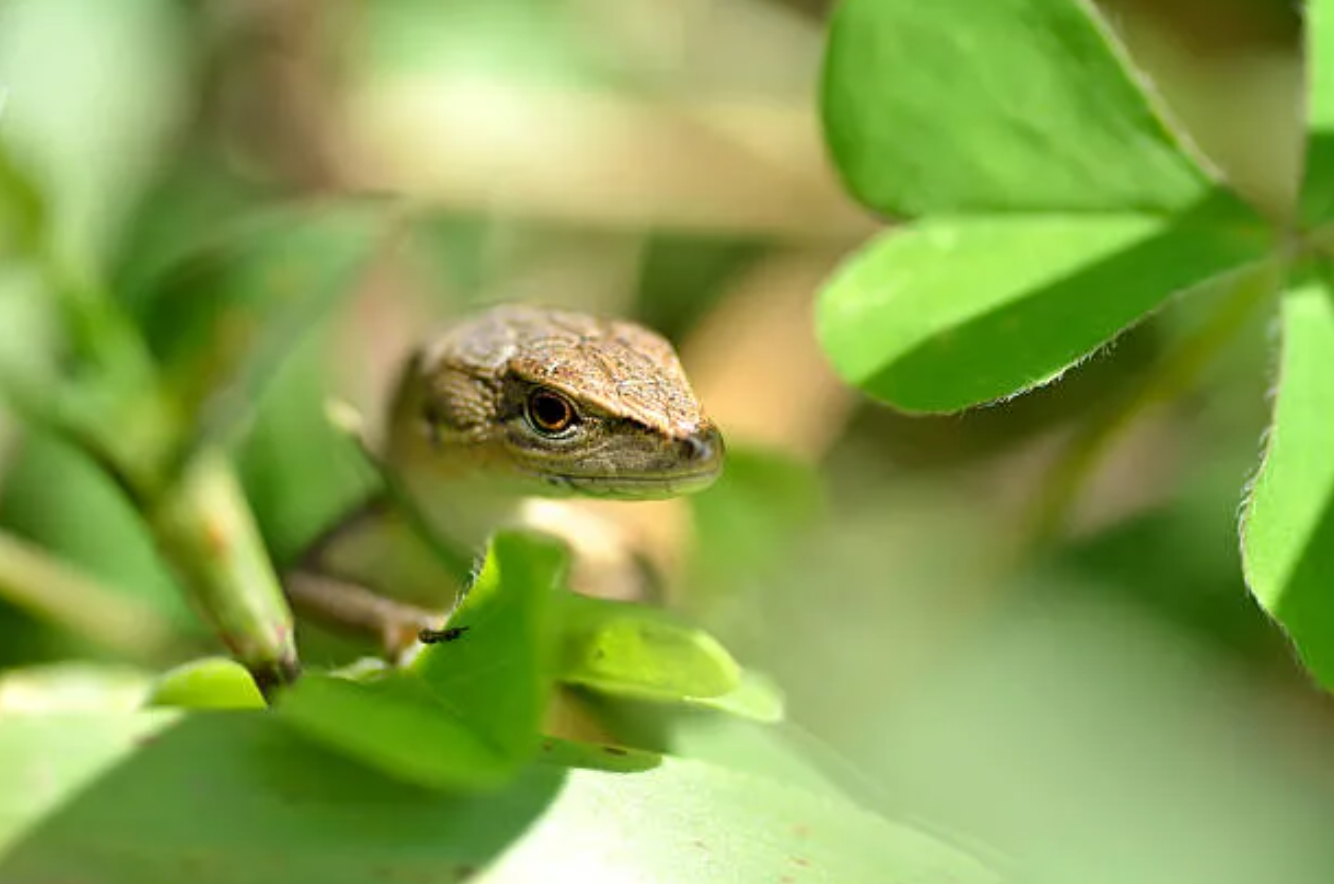
On the other hand, the “Niho Kanahébi” represents another notable reptilian inhabitant of Japan, primarily found in mountainous regions, forests, and aquatic habitats. Spanning a length of approximately 10 to 15 centimeters, its flattened body and abbreviated limbs distinguish it from other conventional lizard species. Elegantly adorned with unique patterns on its dorsal surface, typically in shades of dark green or brown, complemented by distinctive spots or markings, the “Niho Kanahébi” exudes an enchanting allure. Despite belonging to the lizard family, it leads a semi-aquatic lifestyle. Thriving in wetlands and rivulets, it occasionally ventures into aquatic environments. Surrounding its habitat, one may find an assemblage of stones and tree branches where it luxuriates under the sun. Energetically active during the day, it adeptly captures insects and diminutive aquatic organisms along the water’s edge. Especially during the sweltering summer season, this remarkable creature graces the Japanese landscape.
Difference between the two types
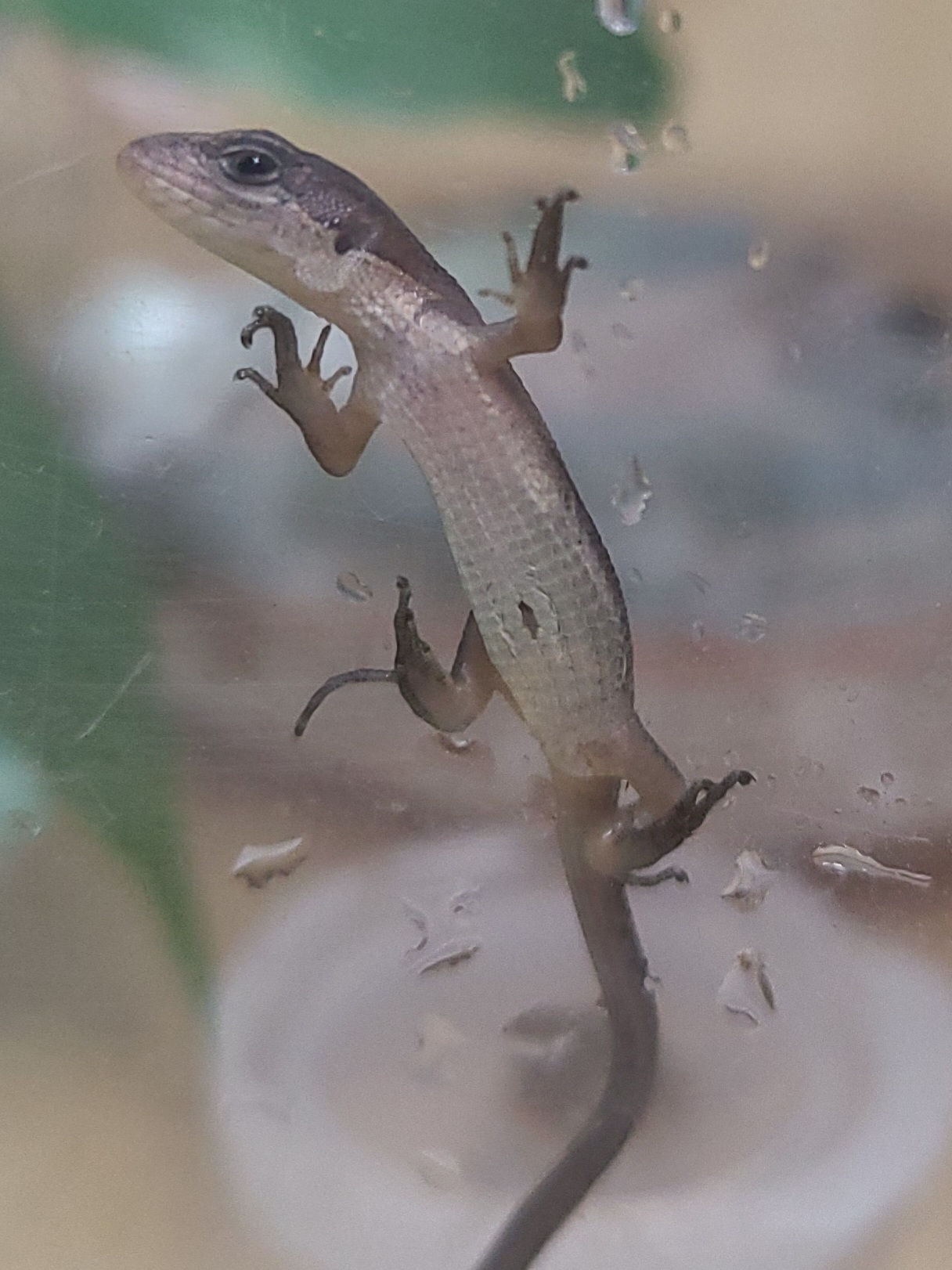
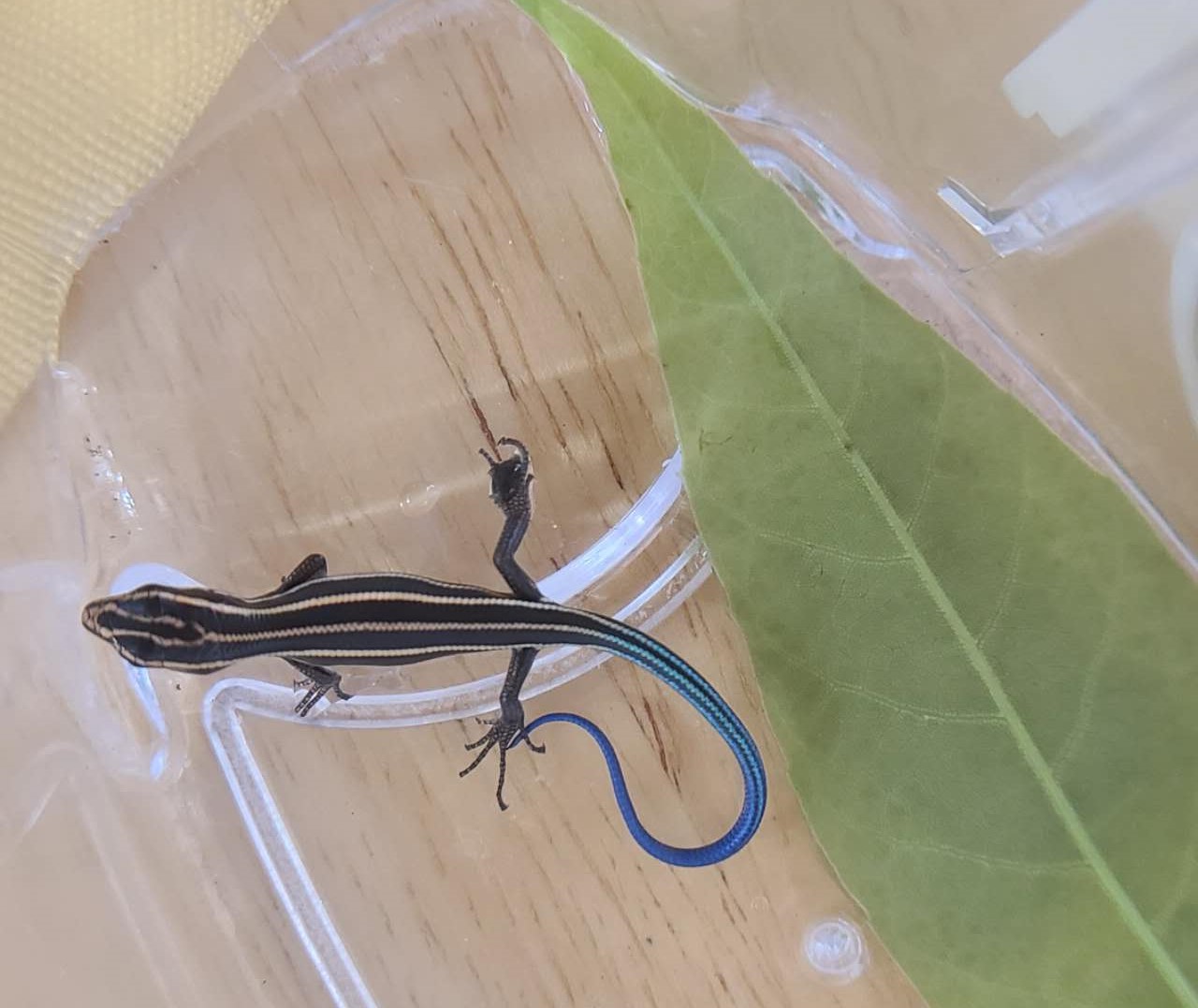
Upon closely observing the captured specimens, we have discerned distinctive dissimilarities between these two captivating lizards:
1. Climbing proficiency: While the “Niho Kanahébi” gracefully ascends glass surfaces, the “Niho Tokage” lacks this ability.
2. Skin texture: The “Niho Kanahébi” boasts rougher skin, whereas the “Niho Tokage” possesses a lustrous epidermis.
3. Tail length: The “Niho Kanahébi” possesses an elongated tail, occasionally surpassing its body length, while the “Niho Tokage” exhibits a comparatively shorter tail.
These discrepancies may eloquently illustrate their adaptations to diverse environments and lifestyles. Acquiring insights into and comprehending the behaviors and ecological characteristics of these wild creatures enriches our understanding of nature. Furthermore, when observing wildlife, maintaining a respectful distance and upholding the sanctity of their natural habitats is imperative.
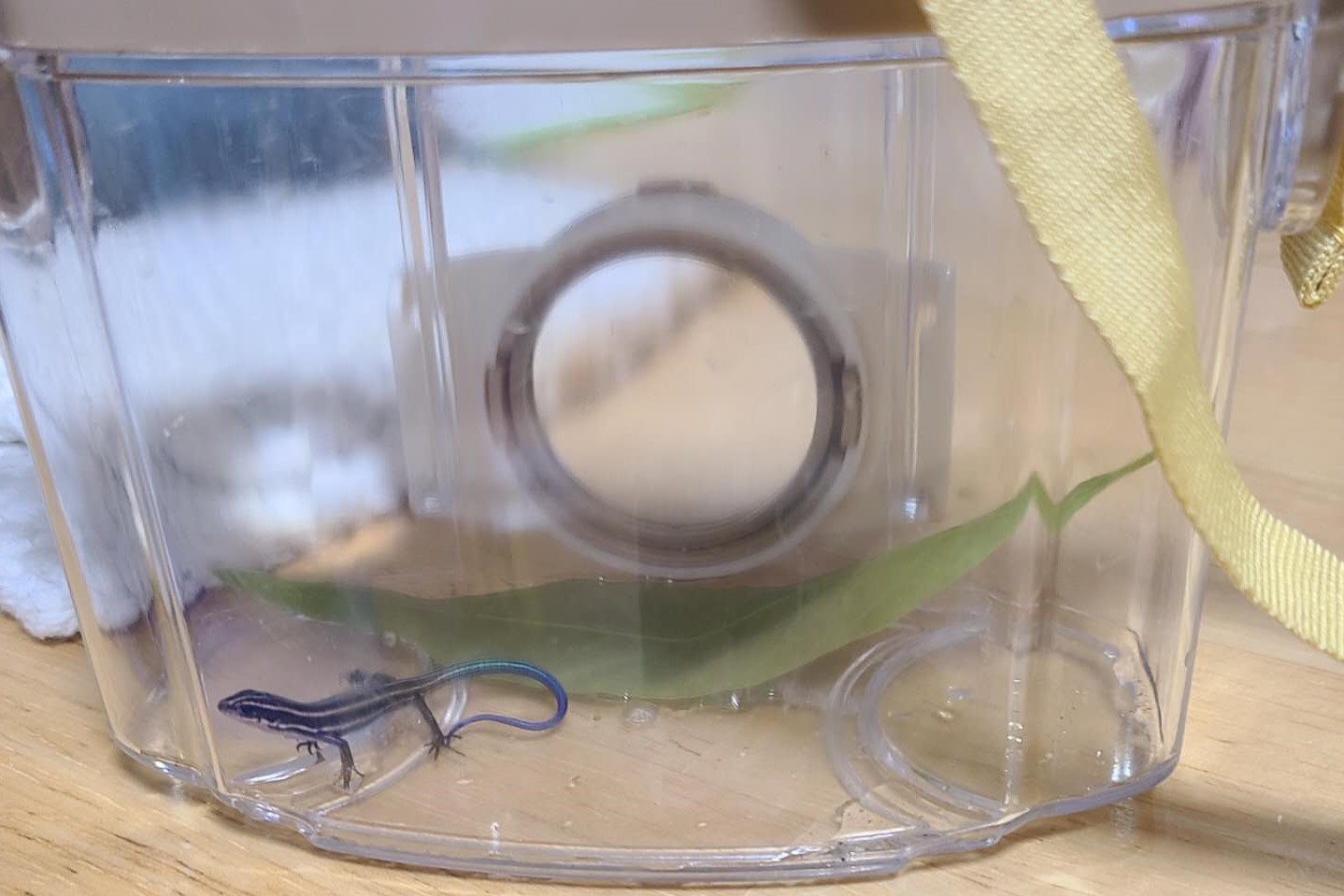
Lastly, should one wish to maintain these two exquisite lizard species, meticulous preparation is essential. Most notably, the provision of UVA and UVB light sources is indispensable, facilitating the lizards’ opportunity to bask in the sun. If unable to furnish such equipment, releasing the captured lizards back into the wild expeditiously is an imperative act of stewardship.

SHARE ON